In a single wave of announcements, NIST introduced machine‑readable SMART standards, a public‑comment AI agent identity framework, and a new Certified NIST Cybersecurity Consultant track. These moves let you automate compliance, secure autonomous software, and prove expertise with a recognized credential—all without waiting for separate, fragmented guidelines.
What Are SMART Standards?
SMART stands for Standards Machine‑Applicable, Readable, and Transferable. NIST is converting legacy PDFs into structured formats (JSON‑LD, XML) that tools can ingest directly. The result is a catalog where each control includes searchable metadata, version history, and machine‑parsable clauses.
Key Features
- Machine‑readable syntax that integrates with CI/CD pipelines.
- Rich metadata for easy discovery and linking.
- Versioned artifacts that support automated policy‑as‑code.
Why Machine‑Readable Standards Matter
Today’s supply chains rely on scanners that hunt for vulnerabilities, license conflicts, and configuration drift. When those scanners can pull a standard straight from a SMART file, compliance becomes a built‑in feature rather than a manual after‑the‑fact audit. This shift frees you to focus on higher‑level risk analysis instead of parsing dense PDFs.
Certified NIST Cybersecurity Consultant Program
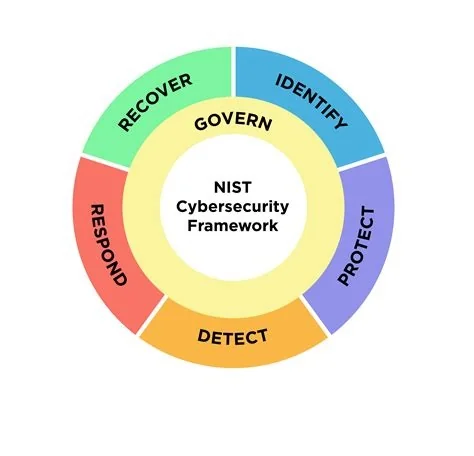
The new certification, delivered via the NICCS platform, trains professionals to apply the NIST Cybersecurity Framework’s five core functions—Identify, Protect, Detect, Respond, Recover—in real‑world settings. Earning the badge signals that you can translate the framework into actionable security controls, a credential increasingly required for government contracts and enterprise projects.
Benefits for Professionals
- Demonstrates mastery of a widely adopted risk‑management language.
- Boosts credibility with clients and hiring managers.
- Provides a clear pathway to senior security roles.
AI Agent Identity Proposal
NIST’s National Cybersecurity Center of Excellence released a concept paper asking for input on identity and authorization standards for autonomous agents—think chatbots, decision‑making services, or self‑healing microservices. The proposal envisions verifiable tokens that prove an agent’s provenance and permitted actions, extending the human‑centric OAuth model to software actors.
What This Means for Developers
- Ability to embed identity tokens directly into an agent’s runtime.
- Fine‑grained least‑privilege enforcement at the code level.
- Potential for industry‑wide standards that simplify cross‑platform trust.
Implications for Enterprises
Adopting SMART standards lets you automate compliance checks, reducing manual effort and error rates. Hiring certified NIST consultants accelerates alignment with regulatory expectations, especially when contracts reference the Cybersecurity Framework. Meanwhile, shaping the AI‑agent identity framework gives you a voice in standards that could become as foundational as OAuth for human users.
Challenges and Considerations
Converting every legacy document to SMART format will take years, creating a temporary gap between human‑focused guidance and machine‑readable artifacts. The certification market could become crowded, risking dilution of the credential’s value if quality controls slip. Finally, the AI‑agent identity model raises governance questions—who issues tokens, and how are revocations handled when an agent misbehaves?
Key Takeaways
- SMART standards turn compliance into code.
- The Certified NIST Cybersecurity Consultant badge validates practical framework expertise.
- AI agent identity standards aim to secure autonomous software at scale.
- Early adoption can give you a competitive edge, but plan for transition gaps and credential management.