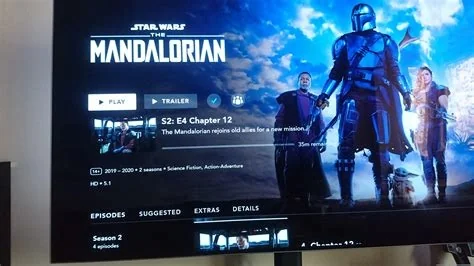
Disney+ has pulled Dolby Vision, HDR10+ and 3‑D playback from several European markets after a patent dispute in Germany raised legal risks. The company says “technical challenges” forced a temporary downgrade to SDR or basic HDR, but the real driver is the threat of injunctions and hefty licensing fees. Here’s what the change means for you.
What Formats Were Disabled and Where
Starting this week, Disney+ stopped delivering the following formats in the affected regions:
- Dolby Vision – dynamic HDR with scene‑by‑scene metadata
- HDR10+ – another dynamic HDR standard
- 3‑D playback – limited to a handful of titles
The rollback appears in Germany, Austria, Switzerland and a few neighboring countries. Users with Apple Vision Pro devices also reported the loss of 3‑D titles.
Why a Patent Dispute Triggered the Change
Legal Risks for Disney+
The dispute centers on patents owned by Dolby Laboratories and other entities that cover how Dolby Vision and HDR10+ are implemented in streaming. If a German court rules that Disney+ infringes those patents, the company could face injunctions or costly licensing fees. To avoid that exposure, Disney+ pre‑emptively removed the formats from markets where the legal risk is highest.
How the Downgrade Affects Your Viewing Experience
Visual Differences You’ll Notice
Without dynamic metadata, movies and series revert to a flatter SDR or basic HDR picture. You’ll see less punchy contrast, muted colors, and a “washed‑out” look compared with the previous experience. Fans of titles like The Mandalorian have already reported that iconic desert sunsets lost their depth.
Business Implications for Streaming Competition
Potential Ripple Effects
Netflix and Amazon Prime Video continue to stream Dolby Vision in the same territories, giving them a visual edge that could sway discerning viewers. While the United States remains unaffected for now, analysts warn that a similar ruling there could force other OTT platforms to reconsider their HDR strategies.
Technical Challenges Behind the Rollback
Engineering Workload and Costs
When a format like Dolby Vision is pulled, engineers must fall back to the base HDR10 or SDR stack. That downgrade sounds simple, but it triggers a massive re‑encoding effort. Thousands of titles need to be repackaged, which can take weeks and strain CDN resources. The real cost isn’t just the licensing fee; it’s the operational overhead of maintaining multiple versions of the same content.
What Might Happen Next
Possible Outcomes for HDR Streaming in Europe
- If courts side with the patent holders, licensing agreements could be reshuffled, driving up costs for all streaming services.
- Higher fees might push platforms to retreat to older HDR standards, slowing the industry’s push toward richer visual experiences.
- Disney+ could negotiate a new deal, restoring Dolby Vision and HDR10+ for European subscribers.
For now, you’ll have to watch your favorite franchises in a dimmer light. Keep an eye on future court rulings—they’ll determine whether the premium HDR experience returns to Europe or becomes a relic of the past.