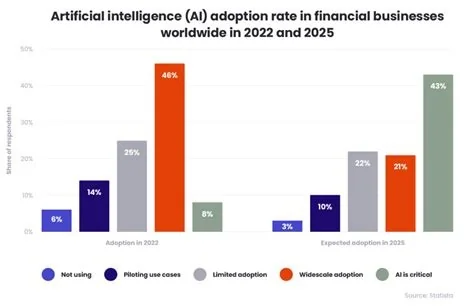
The financial services sector is witnessing a significant shift as companies like Block increasingly adopt artificial intelligence (AI) tools, leading to widespread job cuts. You might be wondering what’s driving this trend. The answer lies in the rapid advancements in AI technology, which enables companies to automate tasks and streamline operations. For Block, this means cutting its workforce by nearly half, or 40%, citing “intelligence tools” as the reason.
AI Adoption: A Growing Trend in Financial Services
Block isn’t alone in this trend. Other major financial services companies are also undergoing significant restructuring due to AI adoption. WiseTech Global, an Australian logistics technology giant, will cut about 2,000 jobs over the next two years as it overhauls its workforce. DBS Bank plans to cut around 4,000 contract and temporary staff over the next three years due to increased adoption of artificial intelligence. You’re probably thinking, what’s next for the industry?
The Impact of AI on Jobs
As companies like Block, WiseTech Global, and DBS Bank continue to adopt AI, it’s likely that more job cuts will follow. But what does this mean for the future of work? Will AI replace human workers entirely, or will it augment their roles? The answer is unclear, but one thing is certain: the job market is undergoing a significant transformation. You’re likely to see more changes in the industry as AI adoption continues to grow.
What Does This Mean for You?
For those who have lost their jobs, the situation is far from ideal. However, affected employees will receive severance for 20 weeks or more, depending on tenure, equity vested until the end of May, and six months of healthcare, as well as any corporate devices and an extra $5,000. If you’re a tech leader, the key takeaway is that AI adoption is no longer a choice; it’s a necessity. You must approach this transition with empathy and a clear understanding of the impact on employees.
Prioritizing Employee Well-being
As companies continue to adopt AI, they must prioritize reskilling and upskilling their workforce to ensure that they’re equipped to work alongside AI tools. This is crucial to drive efficiency and innovation while minimizing the negative impact on employees. You should consider the implications of AI adoption on the workforce and prioritize employee well-being.
The Future of Work
The future of work is rapidly changing, and it’s up to you to adapt and evolve alongside it. The question on everyone’s mind is: what’s next? Will we see a significant reduction in the workforce across the financial services sector, or will companies find ways to retrain and redeploy their employees? One thing is certain: AI is no longer just a buzzword; it’s a reality that’s here to stay.