
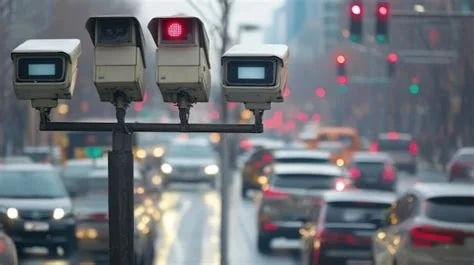
Japan is rolling out a controversial new “blue ticket” system starting April 2026. By integrating AI with street surveillance, authorities are automating minor traffic fines, moving away from criminal prosecution for offenses like smartphone use while riding.
Why the Shift? Moving Past the Old Red Ticket System
For years, Japan’s traffic enforcement has relied on a heavy-handed approach. If cyclists broke minor laws, they often faced the “red ticket,” which meant potential criminal prosecution. Prosecutors rarely used these charges, leading to expensive court battles and, often, no punishment at all for the offender. The government decided to lighten the load on the courts, and you might be seeing fewer trials for simple traffic infractions soon.
Breaking Down the New Fines
Under this new plan, the maximum fine for smartphone use while riding will be 12,000 yen, roughly $80. It’s not a fortune, but it’s enough to make you think twice about scrolling while coasting down a street. The “blue ticket” system will also target 112 other types of minor violations, including running red lights (6,000 yen) and ignoring stop signs (5,000 yen). It’s a massive expansion of enforcement authority, pushing Japan closer to European-style automated policing.
How AI Will Catch You
But how will police actually catch these offenders? They’re already laying the groundwork. The reality is, if you have a smartphone, you have a face. And if you have a face, a camera has a record of it. The integration of surveillance and AI is no longer a sci-fi concept; it’s happening right now in the U.S., where automatic license plate readers and facial recognition are quietly proliferating in thousands of cities. Japan isn’t far behind, and the infrastructure for AI-powered surveillance is already being debated in corporate and municipal circles.
Privacy Concerns and the Slippery Slope
The implications are clear. The government argues that these fines are a necessary tool for safety. Critics, however, worry about the slippery slope. If cameras start enforcing these specific violations, where does it stop? We’ve seen this play out in places like Denver, where community groups have had to fight against mass surveillance contracts. The shift toward a “blue ticket” system is a tangible step toward a future where your behavior is monitored, recorded, and automatically penalized.
Practitioners Perspective: Are We Ready?
From a practitioner’s standpoint—say, a tech consultant setting up surveillance infrastructure—the “Blue Ticket” era raises a serious question: Are we ready for the liability? The trend articles warn that installing cameras without a deep understanding of the law invites trouble. If you deploy an AI system that starts fining people, and you haven’t vetted the data storage, retention policies, and privacy compliance, you open yourself up to massive backlash. The technology is ready, but the legal guardrails? They’re still catching up.


