
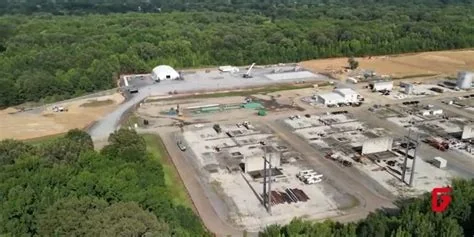
xAI’s temporary power plant in Southaven, Mississippi, is blasting 27 gas turbines nonstop, sparking a clash between the AI venture’s energy hunger and local air‑quality rules. The roar keeps the data center humming, but it also shatters nearby homes, prompting residents to demand the EPA’s clean‑air standards be enforced. You’ll find out why the plant’s noise matters and what could happen next.
Unannounced Turbine Arrival
Last summer a fleet of methane‑fueled turbines rolled onto the site without any warning. The units run day and night, generating enough electricity to keep xAI’s flagship AI models online around the clock. While the plant is still labeled “temporary,” the turbines have become a permanent‑sound fixture while permits are still pending.
Noise and Emissions Concerns
The constant jet‑engine roar has turned a quiet neighborhood into a noisy zone. Residents report that the sound feels like an airport runway opening on a rural road, and the emissions plume‑visible in thermal footage raises questions about compliance with clean‑air standards. Without a permit, the turbines sidestep required monitoring, reporting, and mitigation measures.
Resident Pushback
Local homeowners have gathered at public hearings, voicing frustration over relentless noise, potential health impacts, and the sense that a billionaire’s tech project is being forced onto their community. One longtime resident warned that the roar could “give my house away,” underscoring how the plant has disrupted daily life. You can see why many neighbors are demanding action.
EPA Ruling Significance
The EPA’s Clean Air Act interpretation holds that stationary sources—whether on a trailer or a permanent pad—must obtain a permit if they emit pollutants for an extended period. This stance challenges the claim that the turbines are “mobile” and therefore exempt, highlighting a regulatory gap as AI‑driven power solutions proliferate.
Expert Perspective
Environmental engineer Dr. Lena Hart describes the Southaven case as a textbook example of technology outpacing policy. She notes that a cluster of 27 continuously operating turbines releases nitrogen oxides, carbon monoxide, and volatile organic compounds, which can degrade local air quality. Hart stresses that even “temporary” units pose real health risks when they run for months on end.
What’s at Stake
On one side sits a multi‑billion‑dollar AI venture that argues its data centers are essential for faster model training and competitive AI services. On the other side are residents who wake up to the roar of an unregulated power source and worry about long‑term health effects. The clash raises a broader policy question: should tech giants be allowed to bypass traditional grid constraints by building their own power plants without meeting existing environmental safeguards?
Bottom Line
The xAI turbine fleet is more than a noisy neighbor; it’s a flashpoint that forces a conversation about the growing energy footprint of artificial intelligence. Whether xAI secures the needed permits, modifies its operations, or faces enforcement action remains to be seen. One thing is clear: the roar has amplified a debate about how AI power gets built, who decides the rules, and what “temporary” really means in an era of relentless compute demand.


