Tesla has officially brought Dojo 3 back to life, positioning it as the core of a new AI‑chip family that spans from the AI5 processor for cars to the AI7 design destined for satellite clusters. The move promises lower‑cost, in‑house compute for autonomous driving, robotics and space‑based services, and it signals a bold shift away from third‑party silicon.
Dojo 3 Returns to Tesla’s Roadmap
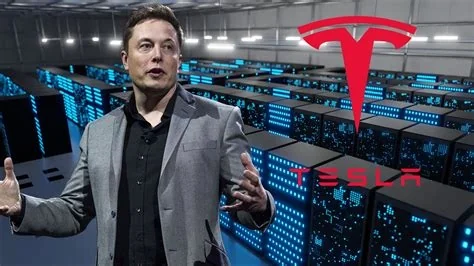
Elon Musk announced that Dojo 3 is back on track and will serve as the foundation for the next generation of Tesla‑designed silicon. By anchoring the platform around the upcoming AI5 chip, Tesla aims to reclaim control over the performance and pricing of its AI workloads. If you follow Tesla’s hardware updates, you’ll notice a clear focus on integrating the supercomputer tightly with vehicle software.
AI5 and AI6: New Custom Silicon
The AI5 processor is a single‑die design that Tesla claims can match the performance of Nvidia’s Hopper architecture, while a dual‑die configuration is slated to rival the newer Blackwell platform. All of this comes at a fraction of the cost that external vendors typically charge, giving Tesla a pricing edge for autonomous‑driving training and inference.
Following AI5, the AI6 chip will build on the same fab partnerships, leveraging advanced process nodes to boost efficiency. Together, these chips form a tiered roadmap that lets Tesla scale from edge devices in cars to larger data‑center workloads.
AI7 for Space‑Based Compute
Beyond Earth, Tesla is developing AI7 as a space‑optimized processor. The plan is to launch solar‑powered satellite clusters that run AI7, reducing reliance on terrestrial power grids and delivering low‑latency compute for global applications. This approach could enable real‑time traffic optimization or remote robotics control without the bottlenecks of ground‑based infrastructure.
Strategic Impact on the AI Chip Market
By designing its own chips, Tesla positions itself as a direct competitor to Nvidia in the high‑performance AI silicon arena. Vertical integration lets the company keep the supply chain under its own control, sidestepping the pricing pressures that have plagued many AI‑heavy firms. For you, that means potentially cheaper and faster AI services embedded in Tesla products.
Technical Challenges and Opportunities
Running a supercomputer on a satellite pushes the envelope of thermal management and radiation hardening—areas where traditional data‑center chips aren’t built to operate. Additionally, relying on external fabs like TSMC and Samsung forces Tesla to meet stringent design‑for‑manufacturability standards, a hurdle even seasoned chipmakers sometimes stumble over. Yet the promise of a vertically integrated stack—from silicon to vehicle software—offers a compelling model for reducing latency and cost.
What to Watch Next
- AI5 is nearing completion and will debut in the next vehicle generation.
- AI6 is projected to be ready in roughly nine months, expanding Tesla’s in‑house compute capacity.
- Long‑term, Tesla hints at an AI9 generation that could follow a rapid release cadence similar to industry leaders.
Bottom line: Tesla is no longer content to be a consumer of third‑party AI chips. By resurrecting Dojo 3 and aligning it with a multi‑tiered chip roadmap that stretches from Earth‑bound AI5/AI6 to space‑based AI7, the company is betting that in‑house silicon will become the keystone of its autonomous future. Whether the engineering challenges can be met on the aggressive schedule remains to be seen, but the signal is clear—Tesla wants to own the compute that powers its cars, robots, and perhaps even the sky.