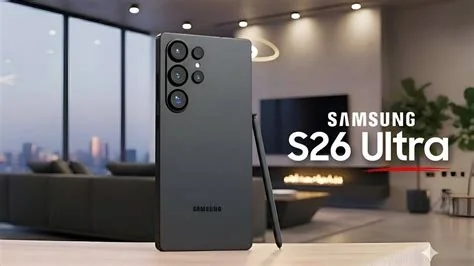
The Samsung Galaxy S26 Ultra packs a Snapdragon 8 Gen 3 chipset, up to 12 GB RAM, a 200‑MP main camera, and a 6.8‑inch LTPO AMOLED display with a 1‑120 Hz refresh rate, all powered by a 5,000 mAh battery with 100 W fast charging. Prices start around $1,199, positioning it as Samsung’s top‑tier flagship.
Key Hardware Specs
Processor and Memory
At its core, the Ultra runs the Snapdragon 8 Gen 3, delivering faster AI processing and improved graphics performance. You’ll get up to 12 GB of LPDDR5X RAM, which keeps multitasking buttery smooth even with demanding apps.
Display and Battery
The device features a 6.8‑inch LTPO AMOLED panel that can shift between 1 Hz and 120 Hz, adapting to what you’re doing to save power. Peak brightness reaches 1,800 nits, making outdoor viewing easy. A 5,000 mAh battery backs the screen, and 100 W wired charging can refill it in under 30 minutes.
Camera System
Samsung’s new 200‑MP sensor leads the photo department, complemented by a 12‑MP ultra‑wide lens and a 10‑MP periscope telephoto offering up to 10× optical zoom. The AI‑driven photo mode automatically tweaks exposure and focus based on subject movement, so you’ll capture sharper shots with less effort.
Pricing and Positioning
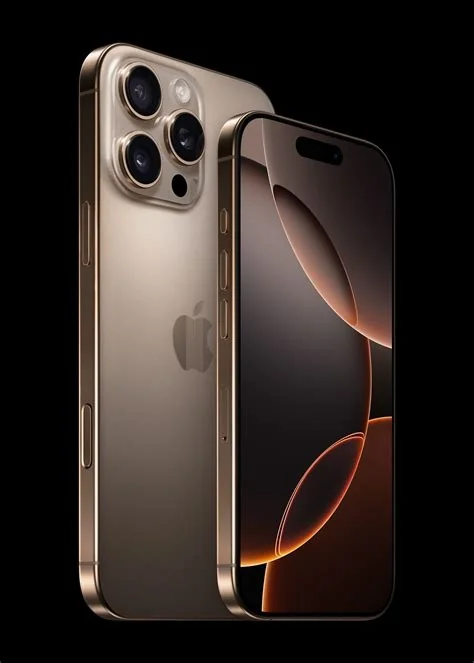
In the United States, the Galaxy S26 Ultra is expected to launch at $1,199. The S26+ and base S26 are projected at $999 and $799 respectively, keeping the entire lineup firmly in the premium segment and directly challenging Apple’s iPhone 16 Pro Max.
Design and Build
The Ultra retains the familiar “Infinity O” cutout but trims the side bezels to just 1.5 mm, giving the phone a more immersive look. Color choices include Phantom Black, Bora Blue, and a new Mystic Silver that shifts hue under different lighting conditions.
Software and AI Features
Running Android 14 with One UI 7.0, the phone promises smoother multitasking and tighter integration with the Galaxy ecosystem—think seamless hand‑off to the Galaxy Watch 6 or Tab S9. On‑device AI accelerates tasks like real‑time object recognition, AR overlays, and even 4K video editing without needing the cloud.
What Buyers Should Watch
Battery endurance will be a litmus test. While 5,000 mAh sounds generous, the 120 Hz display and AI‑heavy workloads can drain power quickly. You’ll want to see real‑world tests of how the 100 W charger holds up under heavy use. Also, keep an eye on software updates that unlock the full potential of the Snapdragon 8 Gen 3’s AI cores.