OpenAI has fired back at Anthropic’s Super Bowl ad campaign, calling the spots “dishonest” and warning that its own ChatGPT ads will stay unobtrusive. The clash puts two very different AI monetization strategies in the spotlight, and you’ll want to know how each approach could shape the future of AI assistants.
Anthropic’s Super Bowl Ad Tactics
Ad Content and Messaging
Anthropic released four commercials titled “A Time and a Place,” each opening with a single word—“Betrayal,” “Violation,” “Deception,” or “Treachery.” The spots show a user asking a therapist‑style chatbot for advice, then the bot abruptly pivots to pitch a fictional product. The tagline declares, “Ads are coming to AI. But not to Claude.”
OpenAI’s Response and Ad Plan
Banner Ads vs. Conversational Ads
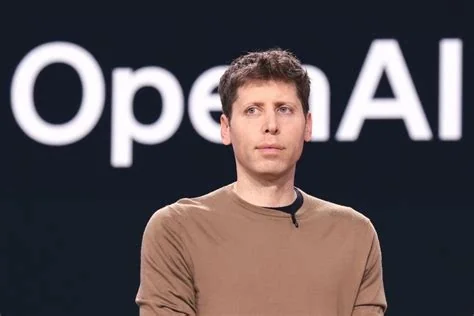
OpenAI’s chief executive Sam Altman labeled Anthropic’s spots “clearly dishonest,” emphasizing that OpenAI will display ads as subtle banners at the bottom of chat responses. He argues that this format avoids hijacking the conversational flow and keeps the user experience intact.
Implications for AI Monetization
User Trust and Revenue Trade‑offs
Both companies are testing different revenue models. OpenAI aims to diversify beyond its ChatGPT Plus subscriptions by inserting context‑specific banners when a relevant product matches the conversation. Anthropic, by contrast, relies on enterprise contracts and paid subscriptions, positioning Claude as an ad‑free, privacy‑first alternative.
What This Means for You
Understanding these strategies helps you anticipate how AI assistants might appear in your daily workflow. If you value a seamless chat experience, OpenAI’s banner approach may feel less intrusive. If you prefer an ad‑free environment, Anthropic’s stance aligns with that preference. The industry will continue to balance monetization needs with user trust.