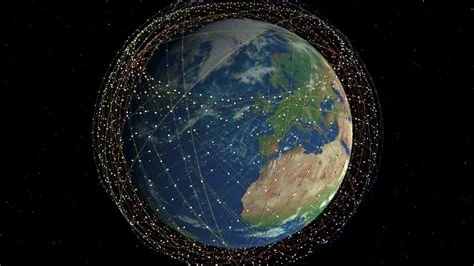
Globe Telecom’s new Starlink Direct‑to‑Cell (DTC) service lets any LTE smartphone connect straight to a low‑Earth‑orbit satellite, delivering voice, messaging and broadband without extra dongles or hardware. The rollout focuses on remote islands and mountainous regions, offering speeds of 20‑30 Mbps and latency around 70‑80 ms—enough for video calls, streaming and online learning.
How Direct‑to‑Cell Connects Standard LTE Phones
With DTC, your phone becomes a miniature ground station. When you place a call or open an app, the device beams data directly to a Starlink satellite, which then routes the traffic back to Globe’s network. No special antenna or external modem is required; the existing LTE radio handles the link automatically.
Why Globe Is Investing in Satellite Connectivity
Globe sees satellite backhaul as a safeguard against the Philippines’ frequent natural disasters and the high cost of building towers on rugged terrain. By covering gaps in the terrestrial network, the company can keep emergency calls flowing and future‑proof its service for communities that have long been left out.
Emergency Communication Benefits
If a storm knocks down a cell tower, you’ll still be able to reach loved ones or emergency responders because the satellite link remains active. This resilience is a key reason Globe is willing to fund a service that doesn’t generate immediate profit.
Performance Expectations and Real‑World Tests
Early trials in Palawan and Ifugao showed download speeds between 20 Mbps and 30 Mbps, with latency hovering around 70‑80 ms. Those figures support smooth video calls, high‑definition streaming, and remote education. Weather can still affect performance, and latency is higher than typical terrestrial LTE, but the coverage advantage outweighs those drawbacks in hard‑to‑reach areas.
Pricing and Availability for Consumers
Globe plans to bundle DTC into existing postpaid plans, adding a modest surcharge for satellite usage. While exact rates haven’t been announced, the company emphasized that affordability is a priority, aiming to keep the service within reach for households that currently lack reliable broadband.
Technical Integration and Operational Challenges
Integrating DTC required only a handful of software upgrades and new routing policies within Globe’s LTE core. The biggest operational hurdle is managing satellite capacity during peak demand—especially when many users try to call at once after a disaster. Redundancy measures and close coordination with SpaceX help prioritize traffic for emergency services.
Future Outlook for Satellite Mobile Services in Asia
Globe’s move positions it ahead of regional rivals that are still waiting for regulatory clearance or mature technology. If the service proves viable, other Asian operators are likely to explore similar satellite partnerships, potentially reshaping mobile connectivity across the continent.