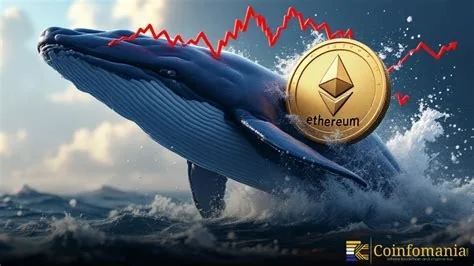
In a single move the Ethereum whale expanded a 5,000 ETH long and instantly saw an $8.5 million paper loss. The position stays open, but the loss highlights how a massive player can tilt market depth, affect slippage, and signal risk for anyone watching the ETH price action. You’ll want to know what this means for your own trades.
Why the $8.5 Million Paper Loss Matters
The loss isn’t just a number on a screen; it’s a stress test for Ethereum’s liquidity. Even a fraction of the whale’s $1.6 billion‑worth of assets hitting order books can create noticeable price moves, especially when the market is already thin after months of outflows.
Liquidity Stress Test for Ethereum
When a single entity controls such a large share of circulating ETH, any sell‑off can widen spreads on major exchanges. That makes it harder for smaller traders to execute orders without moving the market, and you might see higher transaction costs during volatile periods.
Risk‑Reward Balance in Leveraged Positions
Leveraged trades amplify both gains and losses. The whale’s $8.5 million dip is modest compared to its overall exposure, yet it shows how quickly a margin call can become a reality if the price keeps slipping. Managing margin carefully is essential if you’re using leverage yourself.
Expert Insight on the Whale’s Strategy
A senior derivatives trader who follows large‑scale crypto moves explains that the whale’s approach mixes caution with aggression. By trimming exposure with a $543 million sell‑off while simultaneously adding to a long position, the trader is betting on a near‑term bounce without over‑committing capital.
Potential Market Ripple Effects
If the whale decides to unwind more of its holdings, even a 2‑3 % reduction of circulating ETH could trigger algorithmic stop‑losses across the market. That cascade would heighten volatility and could force other large players to adjust their positions, creating a feedback loop you’ll feel on the charts.
What Could Happen Next for ETH?
Analysts are watching two price corridors closely. If ETH holds above $1,600, the whale may keep the long and wait for a better exit. If the price drops further, pressure to liquidate could rise, adding to the bearish sentiment that has already pushed ETH down more than 60 % since its October peak.
- Stay alert: Monitor order‑book depth on major exchanges.
- Watch leverage: Large‑scale moves can swing market sentiment quickly.
- Plan for volatility: Use stop‑losses and position sizing that fit your risk tolerance.
In short, the $8.5 million paper loss offers a window into how a dominant player navigates a steep correction. Whether the whale’s gamble pays off or leads to a bigger unwind will be a key barometer for Ethereum’s short‑term trajectory, and it’s a signal you shouldn’t ignore.