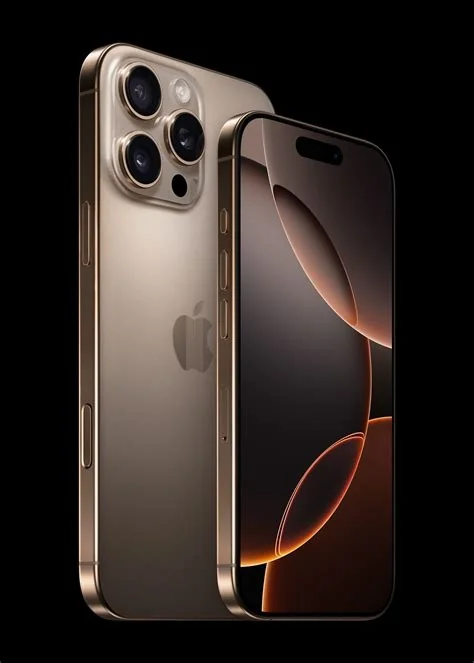
Apple’s upcoming iPhone 17e packs the new A19 processor, a 6.3‑inch ProMotion display, and upgraded front‑camera sensors, all while staying under $700. Expected to hit stores in mid‑February, the device targets users who want flagship performance without a premium price. Here’s a quick rundown of the launch window, specs, pricing, and why the model matters for you.
Launch Timeline and Availability
The iPhone 17e is rumored to launch in mid‑February, giving Apple a rare February release slot that sidesteps the usual September cycle. This timing lets the company refresh its entry‑level lineup before the spring sales surge and offers you an early‑year upgrade option.
Key Specifications
- Processor: A19 chip with noticeable CPU and GPU gains for smoother gaming and faster app launches.
- Display: 6.3‑inch Super Retina screen with 120 Hz ProMotion refresh for buttery‑smooth scrolling.
- Front Camera: Larger sensor with enhanced low‑light processing, ideal for selfie‑centric users.
- Connectivity: Wi‑Fi 6E and Bluetooth 5.3 for lower latency and more reliable accessory pairing.
- MagSafe: Retains Apple’s magnetic accessory ecosystem.
- Design: Keeps the sleek silhouette of the iPhone 16e, reducing manufacturing costs.
Pricing and Value Proposition
Analysts estimate a base price around $699 in the United States. That places the iPhone 17e just above the iPhone SE line but well below the Pro series, making it the sweet spot for anyone who wants a modern iPhone experience without paying a premium.
Why Apple Is Adding a Budget Flagship
Mid‑range Android flagships are closing the performance gap while undercutting Apple on price. By releasing a budget‑friendly flagship in February, Apple can capture holiday shoppers who missed the September launch and give carriers fresh inventory for the spring sales cycle. The strategy also expands Apple’s ecosystem—more devices mean more subscriptions to iCloud, Apple Music, and Apple TV+.
Developer and Ecosystem Impact
The A19’s architecture opens doors for more sophisticated on‑device machine‑learning models without draining battery life. Combined with the 120 Hz ProMotion display, developers can experiment with real‑time ray tracing and higher‑resolution textures on a mid‑range device. Enhanced Wi‑Fi 6E and Bluetooth 5.3 also lower latency for AR experiences, giving you—and the apps you build—a richer, more responsive canvas.