
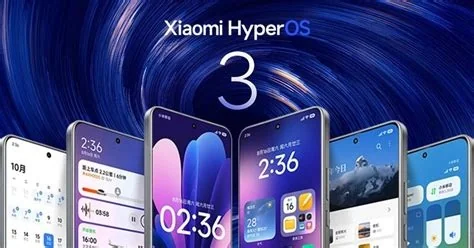
Xiaomi’s HyperOS 3.1, built on Android 16, arrives this week for select Xiaomi, Redmi and POCO smartphones. The update delivers up to 15 % faster app launches, AI‑enhanced payment and photo editing, a Dynamic Theme engine, and consolidated privacy controls, offering a smoother, smarter, and more personalized mobile experience for devices launched from 2020 onward.
Key Features of HyperOS 3.1 on Android 16
- AI‑enhanced payments and photo editing – Automatic image improvement and streamlined payment authentication powered by on‑device AI.
- HyperIsland intelligence hub – Contextual suggestions such as app shortcuts, battery‑saving tips, and personalized news feeds based on real‑time usage.
- Revamped UI elements – New icon set, smoother animations, and a Dynamic Theme engine that derives system‑wide color palettes from the current wallpaper.
- Performance optimizations – Up to 15 % reduction in app launch latency and a 10 % boost in overall system responsiveness thanks to Android 16 enhancements.
- Enhanced privacy controls – Consolidated permission manager groups location, microphone, and camera access under a single toggle for clearer data oversight.
Device Eligibility and Update Schedule
The rollout targets phones launched from 2020 onward, including the Mi 11 series, Redmi K60 line, and POCO F5 series. Eligible devices will receive up to four major OS updates, with security patches extending beyond the official support window. Older models lacking the required hardware acceleration will not receive the 3.1 upgrade.
From MIUI to HyperOS: Evolution Overview
HyperOS debuted in early 2024 as Xiaomi’s unified alternative to the fragmented Android ecosystem, replacing the long‑standing MIUI skin. While HyperOS 3.0 focused on visual redesign and cross‑device integration, HyperOS 3.1 shifts toward functional intelligence, embedding AI directly into core system services.
User Benefits and Market Impact
End‑users gain faster app launches, a more vibrant UI, and AI‑driven photo editing that reduces reliance on third‑party apps. The new privacy dashboard addresses growing demand for transparent data controls. Market‑wise, the AI‑first approach differentiates Xiaomi’s hardware by adding software value, appealing to privacy‑conscious consumers and strengthening its position against price‑driven competitors.
Rollout Timeline and Update Tips
The phased rollout begins this week in China, with international markets following over the next two weeks. Update sizes range from 2.5 GB to 3.2 GB. For a smooth transition, users should:
- Back up personal data to Mi Cloud or a local PC.
- Charge the device to at least 50 % before downloading.
- Connect to a stable Wi‑Fi network to avoid data throttling.
Future Outlook for HyperOS
Built on Android 16, HyperOS 3.1 positions Xiaomi at the forefront of the AI‑first mobile OS trend. Future updates are expected to deepen generative AI capabilities, tighten integration with Xiaomi’s expanding ecosystem of wearables and smart home devices, and potentially target higher‑end market segments throughout 2026.


