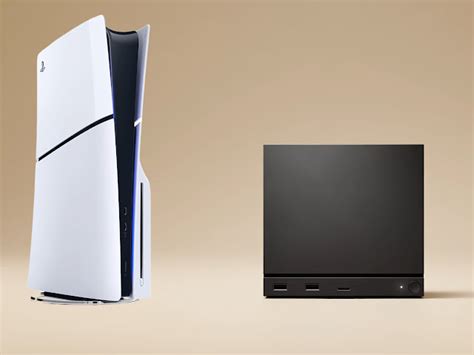
Valve’s long‑awaited Steam Machine finally resurfaced — not on a stage, but in the price lists of two Czech retailers. On Monday, online stores Smarty and Alza posted listings for the compact “Steam Machine” that range from $950 for a 512 GB model to $1,070 for the 2 TB top‑end version. Those figures place the device roughly 49 % above the launch price of Sony’s PlayStation 5 (disc‑drive edition) and about 27 % higher than Microsoft’s Xbox Series X (1 TB).
The leak ignited a fresh wave of discussion across gaming forums and tech sites, with many questioning whether a console‑PC hybrid can ever compete on price with the established console giants. While Valve has not confirmed the numbers, the consistency across the two independent Czech vendors suggests they are based on genuine supply‑chain data rather than speculation.
What the Steam Machine Is (and Why It Matters)
First unveiled in 2015, the Steam Machine was Valve’s answer to the growing convergence of PC gaming and console convenience. The concept promised a sleek, living‑room‑ready PC that ran SteamOS, a Linux‑based operating system optimized for gaming, while still offering the flexibility of a full PC – the ability to install Windows, upgrade components, and access the massive Steam library.
The original Steam Machine family never gained traction. Early models were hampered by a fragmented hardware ecosystem, limited game compatibility on Linux, and pricing that failed to undercut traditional consoles. After a quiet period, Valve hinted in late 2023 that it was revisiting the idea, this time with a vertically integrated “console‑PC hybrid” built around the latest AMD Ryzen 9 7950X3D CPU and Radeon 7900 XT GPU, paired with up to 2 TB of NVMe storage.
If the leaked specs are accurate, the new Steam Machine also includes 32 GB of DDR5 RAM, a proprietary cooling solution, and a compact chassis designed to sit beside a 4K TV. The device is marketed as “plug‑and‑play” for SteamOS users while still offering the option to install Windows for broader game compatibility.
Why the Price Is So High
Two primary factors appear to be driving the steep price tag: a global NAND flash shortage and the absence of hardware subsidies that console manufacturers enjoy.
NAND shortage. The semiconductor industry has been grappling with a chronic deficit of NAND flash memory since 2022, a situation exacerbated by soaring demand for smartphones, data‑center storage, and high‑performance SSDs. Valve’s top‑end model ships with a 2 TB NVMe drive, a component that in today’s market can add $150‑$200 to a system’s bill of materials.
No subsidies. Sony and Microsoft offset a large portion of their console production costs through massive volume commitments, favorable component pricing, and long‑term relationships with suppliers. Valve, in contrast, is launching a relatively low‑volume product, likely numbering in the low‑hundreds of thousands for the first year. Without the economies of scale, each component – from the Ryzen 9 CPU to the Radeon 7900 XT GPU – carries a higher cost that is reflected in the final MSRP.
Analysts at IDC note that the “premium” positioning may be intentional. By targeting PC enthusiasts who already spend $1,200‑$1,500 on a comparable gaming rig, Valve could sidestep direct price wars with Sony and Microsoft while still offering a clean, console‑like experience.
Market Implications
The leaked pricing throws into sharp relief the challenge of positioning a hybrid device in a market where consoles dominate the living‑room space due to their aggressive price points. A $1,070 Steam Machine would sit above the rumored PS5 Pro (estimated at $600‑$650) and, more importantly, far exceed the $499 price of the standard PS5.
For budget‑conscious gamers, the price differential may be a deal‑breaker. However, the Steam Machine’s appeal may lie elsewhere: the ability to run native Linux titles, access to Valve’s vast library of Steam Deck‑optimized games, and the promise of future hardware upgrades without needing to purchase an entirely new console.
If Valve proceeds with the current pricing, the company could carve out a niche similar to the Steam Deck’s “handheld PC” market—offering a premium, ready‑to‑play PC experience for a specific segment of gamers who value flexibility over cost. Conversely, an uncompetitive price could relegate the Steam Machine to a curiosity, echoing the fate of the original 2015 models.
What Comes Next?
Valve has not announced an official launch date, but industry insiders expect a Q3 2026 rollout in select European markets, followed by a broader North American release. The company is also reportedly in talks with several retail partners to bundle the machine with a Steam Deck controller, a 4K HDMI cable, and a one‑year subscription to Steam Cloud.
The price leak may force Valve to reconsider its pricing strategy or accelerate production to secure better component pricing. Some analysts speculate that a “Steam Machine Pro” variant could be introduced later, offering a less expensive configuration with a smaller SSD and a mid‑range GPU, targeting the $700‑$800 bracket.
In the meantime, gamers and journalists will be watching for an official statement. Until then, the leaked numbers serve as a reality check: a high‑end gaming PC that fits in a console form factor is still a premium product, and the market is not yet ready to accept it at the same price as Sony’s or Microsoft’s flagship consoles.
The Steam Machine’s fate will likely hinge on how Valve balances performance, flexibility, and price. If it can deliver a seamless SteamOS experience while justifying its cost through genuine PC-level power and upgradeability, it could establish a new category. If not, the device may end up another footnote in the long‑running saga of Valve’s hardware ambitions.
This topic is currently trending in Technology.