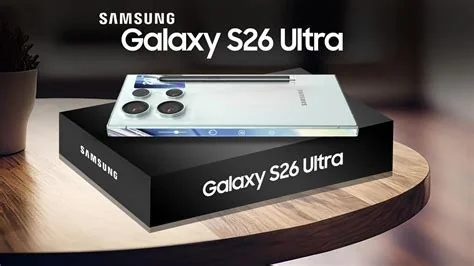
Samsung’s Galaxy S26 Ultra packs a 6.8‑inch QHD+ 120 Hz Dynamic AMOLED display, a Snapdragon 8 Gen 3 (or Exynos 2400) processor, up to 16 GB RAM, 512 GB UFS 4.0 storage, a 200‑MP quad‑camera system with AI‑Fusion processing, and a 5,200 mAh battery with 45 W fast charging. In New Zealand it starts at NZ$1,899, positioning it as a direct challenger to other premium flagships.
Key Specifications of the Galaxy S26 Ultra
Display
6.8‑inch Dynamic AMOLED 2X panel with QHD+ resolution (3200 × 1440) and an adaptive 120 Hz refresh rate. Samsung reports a peak brightness of 1,800 nits, ensuring clear visibility even in bright outdoor conditions.
Processor
Powered by the Qualcomm Snapdragon 8 Gen 3 in most markets, with Samsung’s Exynos 2400 available in select regions. Both chips are built on a 4 nm process, delivering single‑core scores above 1,300 and a roughly 10 % performance edge over the previous generation.
Memory and Storage
Configurations begin at 12 GB LPDDR5X RAM paired with 256 GB UFS 4.0 storage. A higher‑tier option offers 16 GB RAM and 512 GB storage for power users.
Camera System
Quad‑camera array led by a 200‑MP primary sensor with optical image stabilization, a 12‑MP ultra‑wide lens, a 10‑MP periscope telephoto offering 10× optical zoom, and a 3‑MP depth sensor. The new AI‑Fusion processor enhances low‑light performance and enables real‑time HDR video at 8 K.
Battery and Charging
Equipped with a 5,200 mAh battery supporting 45 W wired fast charging, 30 W wireless charging, and 15 W reverse wireless charging. Tests show up to 20 hours of mixed‑usage video playback.
Software Features
Ships with Android 14 and Samsung’s One UI 7.0, offering enhanced privacy controls, a revamped multitasking interface, and deeper integration across the Galaxy ecosystem, including seamless handoff to Galaxy Buds Live and Galaxy Watch 7.
Available Color Options
The S26 Ultra launches in two finishes:
- Phantom Black – matte deep‑black with a brushed‑metal frame.
- Mystic Green – gradient‑shifted green that transitions from teal at the edges to a darker forest hue at the center, featuring a subtly reflective back glass.
New Zealand Pricing and Availability
The entry‑level 12 GB/256 GB model is priced at NZ$1,899. The top‑spec 16 GB/512 GB variant costs NZ$2,299. Pre‑orders begin on February 5, with shipments expected shortly after the official launch on February 25. Retailers such as Noel Leeming, JB Hi‑Fi, and the Samsung Online Store will stock both colors, while carrier bundles may include promotional data plans.
Comparison with Competing Flagship
Against the iPhone 17 Pro, the S26 Ultra emphasizes higher camera resolution, brighter display output, and a more aggressive price point in markets like New Zealand. While Apple’s ecosystem remains a strong draw, Samsung’s hardware‑first strategy aims to attract price‑sensitive flagship buyers seeking top‑tier specs.
Performance Benchmarks and Early Impressions
Benchmarking shows the Snapdragon 8 Gen 3 variant achieving roughly 3,200 points in the AnTuTu 10 test, about 8 % ahead of the iPhone 17 Pro’s A‑series chip. Early hands‑on reviews praise the display’s peak brightness and color accuracy, though some note that the large battery offers only modest real‑world endurance gains over the previous model. Camera samples demonstrate excellent daylight detail, while AI‑Fusion processing can occasionally produce over‑sharpened edges in low‑light scenes.
Industry Impact
The introduction of a 200‑MP sensor and a 120‑Hz QHD+ screen highlights the industry’s push toward ever‑higher hardware specifications to differentiate in a saturated premium market. Samsung’s confidence in the Snapdragon 8 Gen 3 platform also signals a focus on power efficiency and on‑device AI capabilities, essential for future mobile workloads.
Bottom Line
The Galaxy S26 Ultra combines a cutting‑edge camera system, a vivid high‑refresh‑rate display, and a competitive price that challenges other premium flagships. With its launch slated for late February, the device is poised to influence market dynamics, especially in price‑sensitive regions such as New Zealand, and may set a new benchmark for next‑generation smartphones.