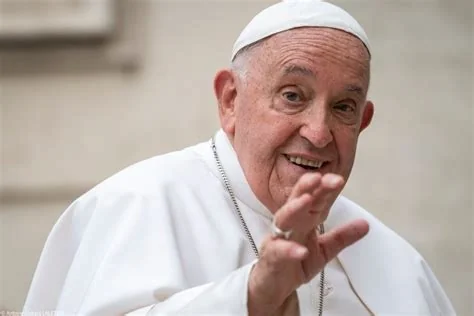
On January 24 2026, Pope Leo XIV used the World Day of Social Communications to issue a direct warning about generative artificial intelligence. He explained that AI blurs the line between reality and simulation, threatens personal identity, spreads misinformation, and deepens social polarization. The pontiff called for stronger governance, ethical safeguards, and digital literacy to protect human dignity and authentic relationships.
AI Risks to Human Identity and Truth
The Pope emphasized that AI systems can usurp human identities by creating realistic images, voices, and emotions that are indistinguishable from genuine content. He warned that this capability erodes trust in factual information and challenges the core of what it means to be human.
Deepfake Surge and Public Misinformation
Recent incidents of fabricated media—such as viral images of public figures wearing unrealistic attire—illustrate how quickly false narratives spread online. These deepfakes amplify misinformation, fuel polarization, and make it harder for audiences to discern truth from simulation.
Bias, Governance Gaps, and Corporate Power
According to the Pope, AI reflects the worldview of its creators, reproducing embedded biases that shape public perception. He highlighted the concentration of AI development in a few large corporations, noting that this concentration creates a governance gap where algorithms influence daily communication without adequate oversight.
- Bias replication: AI models inherit and amplify creator biases.
- Corporate dominance: A small number of firms control key AI technologies.
- Regulatory shortfall: Existing policies fail to address ethical and societal challenges.
Military AI and Ethical Concerns
In a December 2025 statement, the Pope condemned the growing use of AI in autonomous weapons, describing the delegation of life‑and‑death decisions to machines as dangerous. He urged the international community to adopt a global ethic that restricts autonomous weaponry and safeguards human life.
Societal Impact and Policy Implications
The Vatican’s warning aligns with broader concerns about AI’s influence on democratic discourse and personal well‑being. By stressing the difficulty of distinguishing reality from simulation, the Pope underscored the need for policies that classify high‑risk AI systems, enforce transparency, and mandate bias audits.
- Digital literacy: Education programs must include algorithmic awareness.
- Transparency obligations: Companies should disclose training data sources.
- Bias mitigation: Regular audits are essential to prevent discriminatory outcomes.
Future Outlook for Responsible AI Development
Pope Leo XIV’s appeal adds a humanistic perspective to the AI debate, urging stakeholders to balance technological innovation with safeguards that preserve human dignity and authentic relationships. Whether this moral framing will translate into concrete measures—such as stricter deepfake regulations, mandatory bias assessments, or international treaties on autonomous weapons—remains to be seen. Nonetheless, the Vatican’s stance signals that AI is now viewed as a societal force capable of reshaping the fabric of human interaction.