
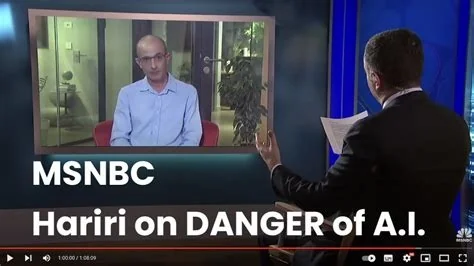
Social media users claim MSNBC used generative‑AI tools to soften Alex Pretti’s facial features during a live segment, sparking debate over undisclosed visual edits in news broadcasts. The network has not confirmed the allegation, and no independent verification is available. This article examines the alleged manipulation, its context, industry reactions, and the broader implications for journalistic integrity.
Alleged AI Alteration of Alex Pretti on MSNBC
What the Social Media Posts Show
Online posts feature side‑by‑side screenshots that purportedly compare a “clean” feed of Alex Pretti with a version where his expression appears muted and his facial features softened. The captions suggest the network employed generative‑AI software to reduce the perceived confrontational tone during a segment on the protests following his death.
Background of Alex Pretti Shooting
Alex Pretti, a 37‑year‑old intensive‑care nurse and activist, was fatally shot by law‑enforcement officers during a protest in Minneapolis. Video footage captured him attempting to protect a woman on the ground before being pepper‑sprayed, wrestled, and shot multiple times. The incident ignited widespread protests against federal immigration enforcement.
Previous AI‑Edited Image Controversies
Recent incidents have shown AI‑altered images used to influence public perception. A notable case involved an AI‑modified photograph of a civil‑rights attorney that added tears and removed lipstick, then labeled the subject as a “far‑left agitator.” Fact‑checkers confirmed the manipulation, highlighting the potential for AI to reshape narratives.
Implications of AI Use in News Broadcasts
If true, the alleged alteration would mark a significant escalation in the use of generative‑AI within mainstream newsrooms. Real‑time visual edits could affect audience trust, emotional tone, and perceived credibility of reporters, undermining the core principle of journalistic objectivity.
Industry Response and Emerging Safeguards
News organizations are developing verification protocols to combat deep‑fake threats. Recommended measures include:
- Implementing detection pipelines that flag anomalous pixel patterns and facial motion inconsistencies.
- Adopting disclosure guidelines for any AI‑driven post‑production edits that could influence viewer interpretation.
- Utilizing watermarking technologies that embed invisible signatures in AI‑generated media, enabling downstream verification.
While these tools improve detection, sophisticated actors can still remove or obscure watermarks, especially in live broadcast environments.
Legal and Ethical Considerations
The potential manipulation of a news anchor’s appearance raises questions under existing media regulations. Broadcast authorities have yet to issue specific rules addressing AI‑altered imagery, and civil‑rights advocates argue that undisclosed visual edits may constitute deceptive practices, violating consumer protection statutes.
Future Outlook for AI in Journalism
As AI tools become more accessible, the line between legitimate post‑production enhancement and deceptive manipulation will continue to blur. The Pretti allegation, alongside prior AI‑edited controversies, underscores the urgent need for transparent policies, robust detection mechanisms, and industry‑wide standards to preserve the integrity of visual reporting.


