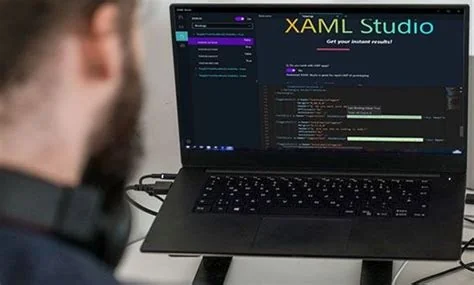
Microsoft has released XAML Studio under an open‑source licence, making the lightweight Windows UI prototyping tool freely available for inspection, modification, and community contribution. Developers can now clone the repository, build the tool locally, and extend its live‑preview capabilities for UWP and WinUI projects, accelerating native Windows interface design.
What Is XAML Studio?
First launched eight years ago, XAML Studio is a stand‑alone application that lets developers experiment with XAML‑based user interfaces without a full IDE. It offers live previews, rapid iteration, resource inspection, and runtime diagnostics for Universal Windows Platform (UWP) and WinUI applications.
Open‑Source Release Details
The source code is now hosted under a permissive licence and managed by the .NET Foundation. The repository includes documentation and contribution guidelines designed to lower the barrier for new contributors.
Why Open‑Sourcing Matters
Making XAML Studio open source gives developers direct access to its design‑time rendering, layout parsing, and preview mechanisms. This transparency can speed up bug fixes, performance improvements, and feature extensions, strengthening the native Windows development ecosystem.
Community Contribution Path
External developers can submit pull requests, file issues, and influence the roadmap. The included guidelines help first‑time contributors get started quickly.
Impact on Windows UI Development
XAML remains a core technology for high‑performance native Windows apps. By open‑sourcing its primary prototyping tool, Microsoft reinforces XAML’s role in building modern Windows experiences and encourages community‑driven enhancements such as localization, platform‑specific optimizations, and third‑party design system integration.
Future Outlook
With XAML Studio and related tooling now open source, Microsoft aims to simplify setup, reduce configuration overhead, and provide a more transparent development experience. Ongoing collaboration between Microsoft engineers and the community will shape the tool’s evolution and support the growth of native Windows UI design.