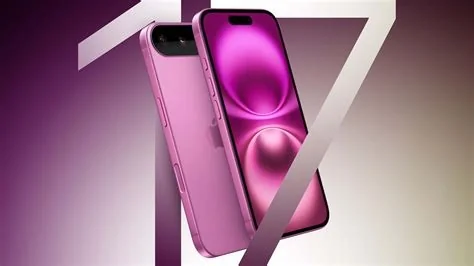
The iPhone 17’s standard model now outperforms the Pro variant in everyday use, delivering a larger display, stronger battery life, and comparable camera quality while costing less. This shift has driven record sales for Apple, with the base model capturing the majority of shipments and fueling the company’s strongest holiday quarter.
Design and Hardware Upgrades
Apple’s newest flagship introduces a fresh design language across both tiers. The Pro version receives a slimmer chassis, a per‑pixel‑scaled display, and a lightweight titanium frame for added durability. Meanwhile, the standard iPhone 17 keeps an aluminum body but adds a larger 6.3‑inch OLED panel, a 48‑megapixel main sensor, and the next‑generation A18 Bionic chip.
Standard Model Highlights
- 6.3‑inch OLED display with brighter colour gamut
- 48‑megapixel primary camera sensor
- A18 Bionic chip delivering ~20% CPU boost and ~30% GPU improvement
- Battery life extended by up to two hours in typical usage
- Support for Wi‑Fi 7 and enhanced ultra‑wideband (UWB) connectivity
Real‑World Performance Comparison
Hands‑on testing shows the standard iPhone 17 consistently delivers a more compelling everyday experience than its Pro counterpart, despite the Pro’s premium materials.
Display and Media Experience
The larger, brighter display on the standard model creates a more immersive media experience, while the Pro’s higher 120 Hz refresh rate (versus 90 Hz on the standard) is less noticeable during routine tasks.
Battery Endurance
In mixed‑use playback tests, the standard iPhone 17 achieved approximately 22 hours of operation, compared with 19 hours on the Pro model. The difference stems from the Pro’s additional camera hardware and slightly higher power draw of the titanium frame.
Camera Capabilities
Both devices produce comparable image quality in daylight. The Pro’s periscope telephoto lens offers a modest advantage in low‑light zoom, but the overall value proposition favors the standard iPhone 17 for most consumers.
Market Impact and Demand Surge
The strong consumer preference for the standard model propelled Apple to its most successful holiday quarter on record. The base iPhone 17 accounted for the majority of unit shipments, driving a double‑digit increase in iPhone revenue year over year. This surge created localized supply‑chain pressures, prompting Apple to accelerate production at its primary assembly facilities in Asia to meet demand.
Future Roadmap Implications
The unexpected dominance of the standard iPhone 17 suggests Apple may shift more research and development resources toward enhancing its base lineup. Potential upgrades could include higher‑refresh‑rate displays, more versatile camera systems, or larger batteries without a significant price increase. Meanwhile, the Pro’s titanium redesign indicates continued focus on the high‑end segment for professional creators and enthusiasts seeking incremental durability and optical‑zoom improvements.
Conclusion
The iPhone 17 demonstrates how a well‑executed standard model can eclipse its flagship sibling in both consumer appeal and financial impact. By delivering a balanced mix of design, performance, and price, the base device secured record sales while highlighting the importance of aligning product tiers with real‑world user priorities.