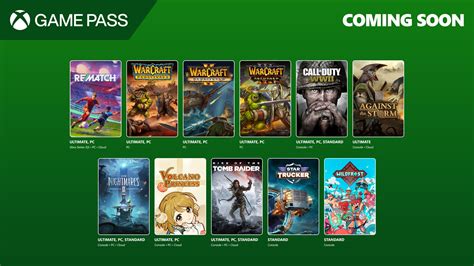
Microsoft’s Xbox Game Pass has long been the poster child of subscription‑based gaming, and the service is stepping into 2026 with a lineup that underscores its ambition to be the definitive “Netflix for games.” In a coordinated rollout announced this week, the subscription now delivers fresh, high‑profile titles across Xbox consoles, PC, handheld devices, and the cloud—most notably *Star Wars Outlaws* and *Resident Evil Village*—while expanding its catalog of European indie productions and classic franchises.
What’s new for January 2026?
The January update, detailed in several industry outlets, adds more than a dozen titles to the rotating Game Pass library. Leading the charge are two marquee releases:
* Star Wars Outlaws – A new open‑world, story‑driven adventure set in the iconic sci‑fi universe. Developed by Ubisoft, the game promises an original narrative that sits alongside the franchise’s blockbuster films, offering players a chance to explore the galaxy in a fresh, player‑centric way.
* Resident Evil Village – The latest entry in Capcom’s long‑standing horror series lands on the service just weeks after its retail debut, giving subscribers immediate access to the atmospheric sequel without an additional purchase.
Beyond the headliners, Microsoft has highlighted a “European production” push, featuring titles from studios in Sweden, Germany, and the United Kingdom. These include indie gems such as *Astraea’s Edge* (Swedish RPG) and *Blackout Berlin* (a German cyber‑thriller), underscoring Game Pass’s strategy to diversify its catalogue beyond mainstream AAA releases.
All the new games are available on day one for Xbox Series X|S, Xbox Cloud Gaming (xCloud), PC via the Microsoft Store, and the newly released Xbox handheld, the “Xbox Pocket.” The simultaneous multi‑platform launch reinforces Microsoft’s vision of a seamless gaming ecosystem where a subscription follows the player, not the hardware.
The broader context: Game Pass in 2026
Four days ago, GameStar reported that Xbox Game Pass remains one of the most important subscription models in the gaming world for 2026. Since its 2017 inception, the service has consistently grown both in subscriber numbers and in the breadth of its library. As of early 2026, Microsoft offers three primary tiers:
| Tier | Price (USD) | Core Benefits |
|——|————-|—————-|
| Console | $9.99/month | Access to over 600 console games, including day‑one releases from Xbox Game Studios |
| PC | $9.99/month | Same library as Console tier, plus exclusive PC titles and EA Play integration |
| Ultimate | $14.99/month | Combines Console and PC benefits, includes Cloud Gaming, Xbox Live Gold, and 100 GB of cloud storage |
The “Ultimate” tier, which has become the most popular, now adds a “Handheld” slot at no extra cost, reflecting Microsoft’s push to make the service truly device‑agnostic.
Industry analysts point out that the subscription model is reshaping how gamers approach purchasing decisions. Instead of buying individual copies at $60‑$70, players can experiment with a wide variety of titles for a flat monthly fee. This lowers the barrier to entry for both blockbuster releases and niche indie games, expanding the overall market.
Why the focus on blockbuster franchises?
The inclusion of *Star Wars Outlaws* and *Resident Evil Village* is not accidental. Star Wars remains one of the most valuable media properties globally, and its partnership with Ubisoft marks Microsoft’s first major collaboration with a non‑Microsoft studio to deliver a new IP directly onto Game Pass at launch. Meanwhile, Capcom’s *Resident Evil* series continues to drive strong sales on consoles and PC alike. By securing day‑one access to these titles, Microsoft sends a clear signal to both developers and consumers: Game Pass is a viable first‑release platform for premium, narrative‑driven experiences.
This strategy also serves a defensive purpose. Sony’s PlayStation Plus Premium has been courting its own exclusive content, and Nintendo Switch Online continues to build a modest library of classic titles. By offering high‑profile, brand‑recognizable games at no extra cost, Microsoft aims to retain existing subscribers and attract new ones who might otherwise gravitate toward competing services.
Implications for developers and the market
For developers, the Game Pass model presents a double‑edged sword. On one hand, inclusion in the service guarantees immediate exposure to a user base that, according to Microsoft’s Q4 2025 earnings call, exceeds 25 million active subscribers worldwide. On the other hand, revenue structures differ from traditional retail; developers negotiate a lump‑sum licensing fee or a revenue‑share model based on engagement metrics.
Recent reports suggest that Microsoft is refining its compensation framework, offering higher payouts for “windowed” exclusives—games that appear on Game Pass within a limited timeframe after launch. This could encourage more mid‑tier studios to prioritize the service, enriching the catalogue with diverse genres that might struggle to find shelf space in a retail‑focused market.
From a consumer standpoint, the expanding library—now bolstered by major franchises—further blurs the line between ownership and access. Gamers who once built personal collections are increasingly comfortable with “playing while subscribed.” However, critics warn that this model could erode the perceived value of game ownership, especially as licensing agreements evolve and titles potentially rotate out of the service.
Looking ahead
Microsoft’s January 2026 refresh marks another milestone in the evolution of subscription gaming. By marrying blockbuster IPs with a robust selection of indie and European titles, and by delivering them across console, PC, handheld, and cloud, Xbox Game Pass solidifies its position as a cornerstone of Microsoft’s broader “gaming‑first” strategy.
The real test will be whether the service can sustain subscriber growth in a market that’s becoming increasingly crowded with competing subscription offerings. If the current trajectory holds—and if Microsoft continues to secure high‑impact launches like *Star Wars Outlaws*—Game Pass could well define how we experience games for the next decade.
For now, the message to gamers is clear: the future of play is less about buying individual boxes and more about subscribing to a universe of possibilities, all delivered on the device of your choice.
This topic is currently trending in Technology.