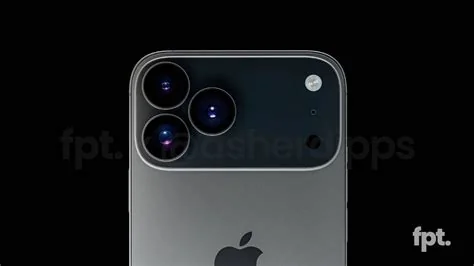
Apple’s upcoming iPhone 18 Pro will feature a groundbreaking curved‑edge OLED display that wraps around the chassis, reducing bezels to under 1 mm and delivering a larger visual experience on a 6.7‑inch screen. Paired with the new A18 Pro chip, the device promises significant performance gains, enhanced on‑device AI, and a fresh design direction for the flagship line.
Curved Edge Display Redefines iPhone Design
The iPhone 18 Pro abandons the flat‑edge frame of recent models in favor of a seamless glass‑to‑metal transition. The curved‑edge design wraps the OLED panel around the sides, creating an immersive look while keeping the device thin and lightweight. With bezel thickness dropping below 1 mm on all sides, the screen appears larger than its actual dimensions, marking the most dramatic visual shift since the iPhone 6.
A18 Pro Chip Boosts Performance and AI
Under the hood, the iPhone 18 Pro is expected to run on Apple’s next‑generation A18 Pro processor built on a 3‑nanometer process. This new silicon delivers a notable uplift in CPU and GPU performance while improving power efficiency. A dedicated neural engine enhances on‑device AI tasks, enabling faster image processing, real‑time language translation, and more responsive voice interactions.
Pricing and Availability Outlook
Analysts project a starting price of around $1,199 for the base iPhone 18 Pro, with the larger Pro Max variant potentially exceeding $1,299. The devices are slated for a fall launch, positioning the Pro models as Apple’s flagship offerings for the season.
Design Evolution from iPhone 17
The iPhone 17 series focused on incremental upgrades such as camera refinements and modest processor improvements. In contrast, the iPhone 18 Pro’s curved‑edge display and advanced silicon represent a strategic shift to reinvigorate the brand and stay competitive against Android manufacturers that have introduced foldable screens and under‑display cameras.
Market and Developer Impact
The new form factor will prompt accessory makers to redesign cases, chargers, and mounts, reshaping the iPhone accessory ecosystem. Developers will gain access to a more powerful on‑device AI engine, encouraging the creation of richer real‑time experiences that rely less on cloud processing. Competitors are likely to respond with their own design experiments, accelerating innovation across the smartphone industry.