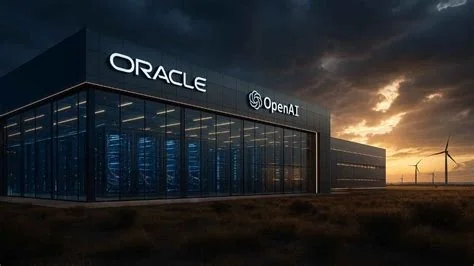
OpenAI’s flagship Stargate megacenter, designed to deliver 10 GW of AI compute, has stalled after disputes with key partners. To keep its models running, the company is now turning to a hybrid approach that blends commercial cloud capacity from major providers with selective custom hardware. This shift aims to protect performance while it renegotiates the stalled megaproject.
Why the Stargate Project Stalled
Partner Disagreements
Stalled negotiations with two major collaborators left the project without clear responsibility for building and financing the data centers. The lack of consensus on who would own the facilities and how to allocate the massive capital created a deadlock that halted construction.
Funding and Permit Roadblocks
Without an agreed funding structure, the venture couldn’t secure the permits or staff needed to power up the megawatt‑scale sites. The result was a silent campus with no servers humming and a looming gap in OpenAI’s compute pipeline.
OpenAI’s New Hybrid Cloud Playbook
Key Cloud Partners
OpenAI quickly inked agreements with leading public cloud providers to fill the short‑term gap. By leveraging the elastic capacity of established clouds, the firm can maintain model uptime while it works out a longer‑term solution.
Custom Hardware Strategy
At the same time, OpenAI is scouting bespoke hardware from specialist chip makers. This “hardware‑as‑a‑service” angle lets the company spin up tailored accelerators without bearing the full cost of a dedicated megacenter.
- Leverage commercial clouds for immediate capacity needs.
- Integrate custom accelerators to keep a performance edge.
- Negotiate flexible terms that can evolve as the Stargate project regains momentum.
Implications for AI Costs and Competition
Cost Management
If you’re watching AI infrastructure spending, you’ll notice that a hybrid model can reshape the cost‑per‑token equation. Relying on public clouds may raise short‑term expenses, but it avoids the massive upfront outlay of a standalone megacenter.
Future Outlook
The hybrid approach gives OpenAI a safety net while it renegotiates the stalled Stargate venture. Success will hinge on securing favorable cloud pricing and smoothly integrating third‑party accelerators. A smooth transition could keep the company competitive against rivals that already dominate large‑scale AI cloud slices.