Microsoft is revolutionizing enterprise AI with a new multi-model system called Critique for M365 Copilot Researcher. Instead of relying on a single model, this update splits tasks between a generator and an expert reviewer. The result? Significantly fewer hallucinations and sharper reports tailored for complex business needs.
How the Critique System Works
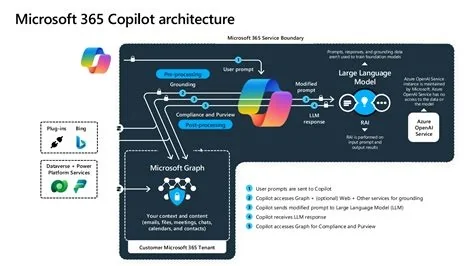
Here’s the deal: Critique stops relying on one “brain” to plan, search, write, and verify everything. Instead, it splits the job. One model acts as the generator, diving into data and drafting the initial report. A second model, acting as an expert reviewer, steps in to fact-check, refine the structure, and sharpen arguments before you ever see the final output.
This creates a feedback loop similar to academic publishing. As Satya Nadella stated, the goal is to let organizations “use multiple models together to generate optimal responses.” It’s a fundamental shift from trying to find the single smartest model to building the most reliable workflow.
Why Multi-Model Beats Single-Model
The era of trusting one model to get everything right is over. When a single model hallucinates or misses a nuance, the whole report gets compromised. Critique changes that dynamic by introducing a second pair of eyes trained to be skeptical. You’ll get a corrected draft that’s already been stress-tested.
Imagine preparing a quarterly market analysis. The generator pulls the data and writes the narrative. Then, the critic model reads it and flags issues like outdated statistics or conclusions that don’t follow the data. You end up with a disciplined workflow that forces self-correction before delivery.
Real Results and Hard Numbers
The results are already showing in the numbers. Microsoft’s internal evaluations using the DRACO benchmark reveal a significant jump. Across 100 complex tasks spanning 10 different domains, Researcher with Critique scored 7.0 points higher than traditional single-model approaches.
That’s a 13.88% improvement over other deep research tools currently on the market. This system uses a rubric-based evaluation process designed to strengthen the report without turning the reviewer into a second author. It examines the draft for factual accuracy, analytical breadth, and presentation quality.
Blending Rival Models Strategically
Microsoft is now blending its traditional partnership with OpenAI’s GPT models with Anthropic’s Claude. One might ask if this betrays their OpenAI relationship, but it’s actually a strategic pivot toward multi-model intelligence. Why choose a winner when you can compose a workflow from the best parts of each?
This shift signals a massive change in how enterprises view AI vendors. The conversation is no longer about which model is the smartest, but which workflow is the most reliable. As the industry moves forward, enterprise buyers care less about brand loyalty in the model layer and more about accuracy, security, and operational reliability.
Transparency with the New Council Feature
Critique isn’t the only new feature. Microsoft also introduced “Council,” a capability that brings multiple model responses side-by-side. It even generates a cover letter explaining where the models agree, where they diverge, and the unique insights each brings to the table.
This transparency is crucial for professionals who need to know exactly where the data comes from and how different AI perspectives shape the final answer. It ensures you aren’t flying blind when making critical business decisions.
Critique Goes Default in Researcher
Critique will be the default experience in Researcher when users select “Auto” in the model picker. This suggests Microsoft is confident enough in the system that it doesn’t want users to toggle it on manually. It’s becoming the standard way to do deep work.
For those of us actually using these tools in the office, the implications are immediate. We don’t just want answers; we want answers we can trust. By blending rival models like GPT and Claude to argue with each other before telling you the truth, Microsoft has set a new bar. The question now isn’t which model wins, but how quickly other vendors can build systems that do the same.