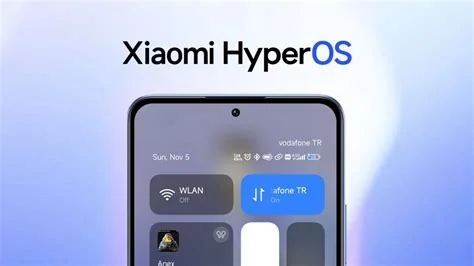
Xiaomi HyperOS 4 is the latest Android layer from Xiaomi, promising a unified architecture, heightened stability, and broader device compatibility. Delivered as an OTA update, it completes the phase‑out of the legacy MIUI SDK, reduces memory usage, and extends software support for flagship and mid‑range models to three major releases.
From HyperOS 3.0 to 3.1: Rapid Evolution
HyperOS 3.0 launched on Android 16 with a refreshed UI and tighter ecosystem integration. Within weeks, HyperOS 3.1 shifted focus to performance, battery life, and stability, while beginning the removal of the MIUI SDK from core apps such as Clock and Gallery. This set the groundwork for a more modular system.
HyperOS 4: Unified Architecture and Stability
Unified Architecture
- Complete MIUI SDK phase‑out: All system modules transition to a leaner codebase, cutting redundancy and lowering memory footprints.
- Modular design: Developers can target a streamlined platform, simplifying future updates and feature additions.
Enhanced Stability
- Most stable release: Internal testing shows fewer crashes and smoother multitasking, especially on devices upgraded from 3.1.
- Optimized resource management: Reduced background load improves overall device responsiveness.
Extended Device Compatibility
- Flagship coverage: Mi 13 series receives the update first.
- Mid‑range expansion: Select Redmi and POCO models currently on HyperOS 3.0 or 3.1 will also receive HyperOS 4.
- Staged OTA rollout: Gradual distribution manages server load and gathers real‑world feedback.
Extended Software Support Window
Xiaomi now offers three major OS updates for premium devices, adding an extra year to the previous two‑year support cycle. This aligns the brand with competitors and ensures that devices on HyperOS 3.0 or 3.1 continue receiving security patches and feature upgrades well into the future.
Impact on the Android Ecosystem
By treating HyperOS as a full‑stack platform, Xiaomi reduces fragmentation and accelerates update delivery across its product line. Developers will need to test apps against the new environment, as MIUI‑specific APIs are being retired, but the shift encourages cleaner, more standardized development practices.
What to Expect from the Rollout
The OTA rollout begins with the newest flagship devices and expands to the broader compatible list over the following weeks. Users should monitor official Xiaomi channels for status updates and download links. Detailed release notes will outline the final feature set, performance benchmarks, and any migration steps for legacy apps.
Bottom Line
HyperOS 4 represents Xiaomi’s decisive move toward a unified, stable, and future‑proof Android experience. With a leaner architecture, expanded device support, and a longer software‑support window, the update positions Xiaomi to compete more directly with other Android OEMs while offering consumers a more reliable and lasting device lifecycle.