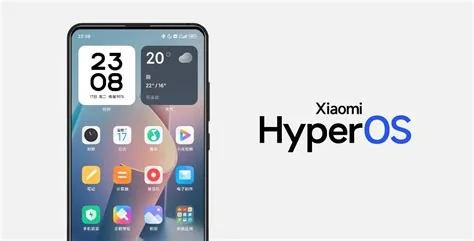
Xiaomi’s HyperOS 3 is now rolling out globally, bringing a refreshed UI, tighter AI integration, and battery‑saving tweaks to a wide range of Mi, Redmi, and POCO devices. The rollout follows a staggered schedule that starts with flagship models and expands to mid‑range phones and tablets through early May, letting you check the exact upgrade window for your handset.
Current HyperOS 3 Rollout Overview
Devices Already Receiving the Update
Flagship handsets such as the Mi 13 series, the Redmi K70 line, and the Pad 6 tablet have entered the “download ready” stage for both Global and European markets. These devices are getting the first batch of stable ROMs, which began arriving on 28 February.
Upcoming Waves and Expected Dates
Mid‑range and older models—including the Mi 11 Lite and Redmi Note 12—are slated for the second distribution wave, expected between late March and early April. The final wave, covering the remaining devices, should roll out in early May, giving regional QA teams time to verify stability.
Key Improvements in HyperOS 3
User Interface Refresh
The new UI introduces smoother animations and a more intuitive gesture system. Early adopters report faster app launches and a cleaner layout that reduces visual clutter.
AI Integration and Battery Optimizations
HyperOS 3 deepens integration with Xiaomi’s AI services, enabling smarter suggestions and context‑aware actions. Power‑saving tweaks claim to shave a few percent off battery drain, extending daily usage without sacrificing performance.
Looking Ahead: HyperOS 4 Leak Insights
Potential Architecture Changes
A recent internal leak revealed fragments of HyperOS 4, suggesting Xiaomi is moving toward a self‑developed architecture that still relies on native Android services. This hybrid approach could give the company more control over core functions while preserving app compatibility.
Implications for Users and Developers
If HyperOS 4 builds on Android 17, users can expect native support for newer APIs, stronger privacy controls, and tighter integration with Xiaomi’s expanding IoT ecosystem. Developers will gain a broader canvas for cross‑device experiences without abandoning familiar Android toolchains.
How to Prepare Your Xiaomi Device
- Check the upgrade window: Visit the official MIUI ROM tracker to see when your specific model is scheduled.
- Back up your data: Ensure all important files and settings are saved before flashing.
- Join the testing community: If you enjoy early access, consider enrolling in the beta program for upcoming features.
- Stay informed: Keep an eye on official Xiaomi announcements for any changes to the rollout schedule.