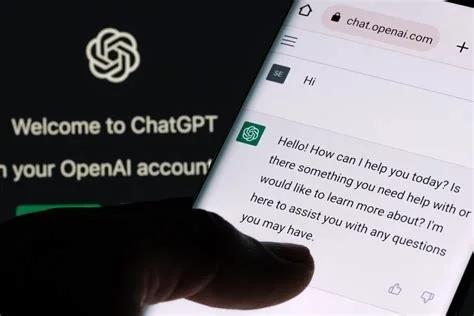
OpenAI’s latest ChatGPT update introduces the GPT‑5.2 model, a dedicated desktop application for Windows and macOS, real‑time voice interaction, expanded memory, and new adult‑centric and teen‑safety safeguards. These enhancements make the platform faster, more collaborative, and better suited for professional workflows while maintaining transparent content controls.
From Novelty to Daily Workhorse
ChatGPT has evolved from a conversational experiment to a core productivity tool used by developers, writers, students, and designers. Mastering prompt engineering is now essential to unlock reliable, context‑aware output and avoid treating the model like a simple search engine.
New Model Tiers: GPT‑5.2 and ChatGPT Go
The GPT‑5.2 family delivers higher performance and lower latency compared with previous versions. A budget‑friendly “ChatGPT Go” plan offers the core conversational experience without premium features, providing a fast and affordable option for everyday users.
AI‑Native Research Workspace: Prism
Prism is an integrated research workspace that centralizes prompts, outputs, and data artifacts. Teams can organize ideas, track version history, and embed external data sources without leaving the ChatGPT interface, turning the platform into a collaborative knowledge hub.
Key Features of Prism
- Searchable prompt and output library
- Version control for iterative projects
- Seamless integration of external data sources
Real‑Time Voice, Expanded Memory, and Desktop Efficiency
Real‑time voice interaction enables hands‑free conversations, while expanded memory allows the model to retain context across longer sessions. The new desktop app delivers a smoother, more focused experience, especially for compute‑intensive tasks such as Python scripting or DALL‑E image generation.
Desktop App Benefits
- Native performance on Windows and macOS
- Direct execution of code within the chat
- Optimized resource usage for faster response times
Adult‑Centric Safeguards and Teen Safety Controls
OpenAI introduces an adult‑focused mode that treats users over 18 with greater flexibility while maintaining responsible use safeguards. Parallel teen‑safety controls give parents and educators granular settings to limit exposure to potentially harmful content.
Advertising Options and Transparency
Optional, clearly labeled advertising slots are now available to subsidize lower‑cost plans like ChatGPT Go. Users can opt out for an ad‑free experience, ensuring transparency and choice.
Implications for the Tech Landscape
By bundling advanced language models, voice interaction, memory expansion, and collaborative workspaces, ChatGPT positions itself as a universal interface for knowledge work. Enterprises can embed the model directly into internal tools, reducing integration costs and accelerating AI adoption.
Practitioner Insights
Software Engineer: “The desktop app’s ability to run Python scripts directly in the chat has cut our prototyping time in half. Expanded memory lets me hand off a session to a teammate without re‑explaining the problem, which is a game‑changer for remote collaboration.”
Content Strategist: “Prism feels like a hybrid of a notebook and a knowledge base. We can tag AI‑generated drafts, attach source links, and iterate on headlines—all within the same UI. It forces us to treat the model as a co‑author rather than a copy‑paste tool.”
Looking Ahead
As ChatGPT matures, its role in the digital ecosystem will deepen. Higher‑performance models, desktop efficiency, and nuanced safety settings suggest a future where conversational AI is as ubiquitous as email or cloud storage. Professionals who move beyond surface‑level prompts can leverage the platform as a powerful ally for creativity, problem‑solving, and knowledge synthesis while maintaining rigorous fact‑checking.