Japan’s timer market is exploding, driven by a surge in demand from labs, kitchens, and fitness enthusiasts alike. Long‑duration industrial timers and ultra‑cheap kitchen models are both selling out, thanks to fast shipping, point‑earning loyalty schemes, and flash‑sale pricing that make precise timing affordable for anyone. You’ll find retailers updating real‑time rankings to highlight hot items, while manufacturers focus on speed and flexibility to capture every buyer persona.
Why Timers Are Trending Across Sectors
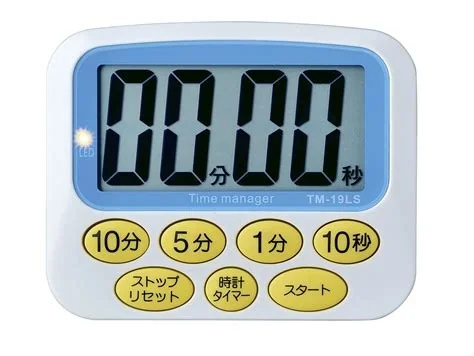
Consumers are no longer buying timers as a single‑purpose gadget. In scientific labs, timers act as critical instrumentation for chemical reactions, incubation periods, and multi‑step workflows. At home, a simple kitchen timer helps you nail perfect pasta or manage sous‑vide cycles without guessing. Fitness coaches also rely on interval timers to keep workouts intense and structured.
Key Market Segments
Industrial and Laboratory Timers
- Long‑duration capability: Devices that run for 3, 10, or even 100 hours are in high demand.
- Same‑day shipping: Rapid delivery ensures labs can maintain continuous operations.
- Robust build: Heavy‑duty construction reduces downtime and maintenance.
Budget Kitchen Timers
- Ultra‑low price: 100‑yen (≈$1) models make precise cooking accessible.
- Loyalty incentives: Point‑earning programs encourage repeat purchases.
- Accuracy: Despite the price, many units deliver reliable countdowns.
Fitness and Productivity Timers
- Wearable formats: Wrist‑worn repeat timers let users focus on form.
- Programmable intervals: Automatic cycle restarts streamline HIIT sessions.
- Desktop variants: Desk‑top models suit office pomodoro techniques.
Implications for Manufacturers and Retailers
Manufacturers should prioritize rapid fulfillment, modular pricing, and durable designs to appeal to both professional and casual buyers. Offering smart connectivity—such as Bluetooth sync with lab data logs or kitchen apps—can differentiate premium models.
Retailers benefit from real‑time ranking updates that showcase trending timers, turning casual browsing into impulse purchases. Integrating loyalty points and flash‑sale discounts further blurs the line between shopping and reward gaming, keeping customers engaged.
Future Outlook
As the demand for precise timing grows, expect more timers to embed wireless features, allowing seamless data integration across devices. E‑commerce platforms will likely double down on dynamic rankings and incentive programs to stay ahead of competitors. In short, every tick in Japan’s timer market signals a stronger appetite for accuracy, convenience, and value.