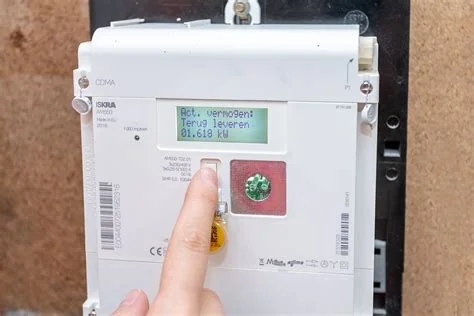
The nationwide smart‑meter replacement in the Netherlands upgrades every household to a newer, communication‑ready device. This change gives you more detailed usage data, keeps the same P1 port for third‑party readers, and prepares the grid for dynamic tariffs. In short, the swap can help you lower your energy bill if you use the right tools.
Why the Smart Meter Swap Is Happening
Utilities are rolling out the new meters to address firmware incompatibilities, improve security, and align with emerging energy‑management platforms. The refreshed hardware also supports bidirectional flows from rooftop solar and enables more accurate time‑of‑use pricing, which is essential for a modern, renewable‑focused grid.
Benefits for Homeowners
Real‑time Consumption Data
New meters provide granular, second‑by‑second readings that feed directly into apps and dashboards. With this level of detail you can spot wasteful appliances, set usage alerts, and make informed decisions about when to run high‑energy devices.
Compatibility with Existing Devices
Despite the hardware upgrade, the P1 communication port remains unchanged. This means most third‑party energy monitors you already own will continue to work, provided their firmware is up to date. You won’t need to replace your current setup.
Tools to Leverage Your New Meter
P1 Readers and DIY Cables
For tech‑savvy users, a simple P1 cable can turn the meter into a data source for a Raspberry Pi, a home server, or a custom dashboard. Common options include:
- Standard 1.8 m P1 lead with RJ45 connector
- USB‑to‑P1 adapters for direct PC logging
- Wi‑Fi enabled P1 modules for wireless data streaming
Energy Management Solutions
Pairing the meter with a home‑energy management system (HEMS) lets you automate heating, cooling, and battery storage based on real‑time prices. Many solutions integrate with smart thermostats and solar inverters, helping you shave 30‑50 % off your electricity costs when dynamic tariffs roll out.
What You Need to Do
- Check the replacement notice for the scheduled installation date.
- Verify that your P1 reader’s firmware is the latest version.
- Connect the P1 cable to the new meter and confirm data appears in your app.
- Explore HEMS features that match your lifestyle and adjust settings to optimize consumption.
Bottom Line
The smart‑meter swap is more than a routine upgrade; it’s a gateway to a data‑rich energy ecosystem. By keeping your existing monitoring tools and adding a reliable P1 reader, you can turn the new hardware into tangible savings on your energy bill while supporting a greener grid.