GE HealthCare has secured an additional $35 million from BARDA to accelerate AI‑powered point‑of‑care ultrasound for trauma and mass‑casualty settings. The boost expands a prior $44 million contract, pushing total funding toward $64 million, and aims to deliver faster diagnoses with tools that lower the skill barrier for non‑specialist operators. If you’re involved in emergency response, the added AI capabilities could shave critical minutes off triage decisions.
Why BARDA Is Funding AI‑Enabled Point‑of‑Care Ultrasound
BARDA’s mission to bolster medical countermeasures drives its investment in technologies that can be deployed quickly during public‑health emergencies. By supporting AI‑enhanced ultrasound, the agency hopes to give first responders a reliable diagnostic edge when every second counts.
Key AI Features GE HealthCare Is Deploying
Lung and Pleural Pathology Detection
The new algorithms can automatically flag lung‑related abnormalities, giving clinicians an instant visual cue that speeds decision‑making in chaotic environments.
Abdominal Injury Assessment
AI models evaluate intra‑abdominal trauma, helping you identify critical injuries without requiring extensive sonographer expertise.
Non‑Invasive Intracranial Pressure Estimation
Advanced software estimates intracranial pressure using ultrasound data, reducing the need for invasive monitoring in field hospitals.
Hardware Built for Harsh Environments
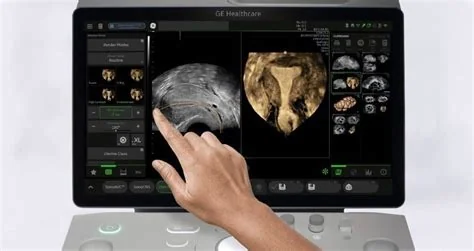
GE’s ultrasound units are ruggedized for use in emergency department bays, ambulance bays, and forward operating bases. The devices run on compact tablets rather than bulky carts, making them portable enough for rapid deployment.
Impact on Clinicians and Emergency Teams
Emergency physicians report that AI overlays provide clear visual cues, especially when operators are still mastering probe placement. If you work in a trauma bay, you’ll notice how the system’s speed and accuracy can relieve pressure on the entire care team.
Market Implications and Adoption Outlook
POCUS systems sit in a $5,000‑$20,000 price band, far below traditional ultrasound machines. By adding AI that improves reliability for non‑experts, hospitals and EMS agencies may adopt these units at scale, reshaping procurement patterns across the industry.
Next Steps and Real‑World Data Collection
The expanded contract includes a structured engagement with clinicians to gather performance data. This feedback loop will guide ongoing refinements, ensuring the AI tools remain “fit for purpose” in frontline care settings.