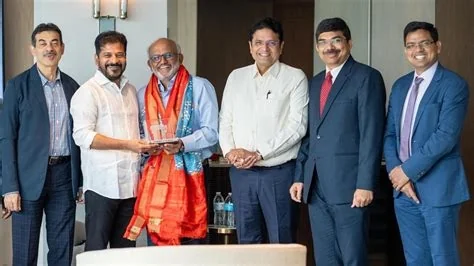
Adobe’s CEO Shantanu Narayan teamed up with Telangana chief minister K. Chandrashekar to roll out an AI‑driven manufacturing hub that promises to boost productivity, safeguard jobs, and give Indian factories a tech edge. You’ll see Adobe’s generative AI embedded in factories, while the state’s new AI University trains thousands of workers. The partnership aims to turn the region into a model for AI‑enhanced production.
Why Adobe’s AI Engine Matters for Manufacturing
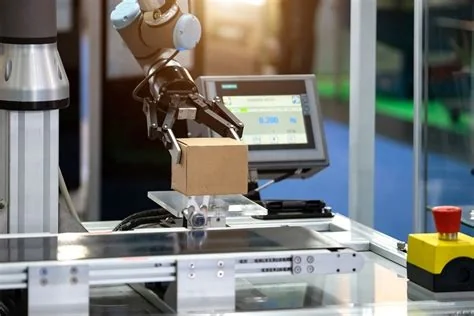
Adobe brings a mature generative AI stack that can predict equipment failures, create digital twins, and automate quality checks. By plugging these tools into production lines, factories can cut downtime and improve yields without a massive upfront spend. You’ll benefit from real‑time insights that let managers act before a defect spirals into a costly recall.
Key Components of the Telangana AI Hub
The state’s AI ecosystem is built around three pillars:
- AI University – a dedicated campus that will train 10,000 students in AI ethics, data engineering, and creative applications over the next three years.
- AI Hubs – regional labs where manufacturers can test Adobe’s AI workflows in a sandbox environment before scaling up.
- AIKAM Initiative – a knowledge‑sharing platform that connects startups, academia, and large enterprises to accelerate AI adoption.
Predictive Maintenance
Adobe’s models analyze sensor data to forecast when a machine needs service, turning reactive repairs into scheduled maintenance. This reduces unexpected breakdowns and extends equipment life.
Digital Twins
Factories can create virtual replicas of their production lines, allowing engineers to simulate changes and spot bottlenecks without disrupting real operations.
Funding and Support for Small Manufacturers
To keep the hub inclusive, Telangana has launched an “AI for All” grant that earmarks ₹1,200 crore for small and medium enterprises. The grant covers software licences, training modules, and consultancy fees, making advanced AI tools accessible to firms that lack in‑house data‑science teams.
Industry Reaction and Pilot Projects
Mid‑size manufacturers are already testing the platform. Priya Reddy, chief technology officer at Vardhan Industries, says the framework gives her plant a clear path to modernise without a massive capex outlay. “If the AI models respect data privacy and stay explainable, we’ll be ready to pilot,” she notes.
Other firms echo the sentiment, seeing AI as a lever to meet tightening global quality standards while keeping their workforce engaged.
Future Roadmap and Talent Development
Beyond the initial rollout, the partnership plans to expand the AI University, launch a Telangana Digital Exchange (TGDeX), and certify AI‑driven processes under responsible AI standards. Adobe commits to supply its cloud infrastructure and to upskill thousands of workers, ensuring that automation complements rather than replaces human talent.
In the coming months, you can expect regular updates on pilot outcomes, funding allocations, and new training modules. The ultimate test will be whether AI‑enhanced factories deliver measurable productivity gains and whether reskilling programmes translate into stable, higher‑paid jobs for the existing workforce.