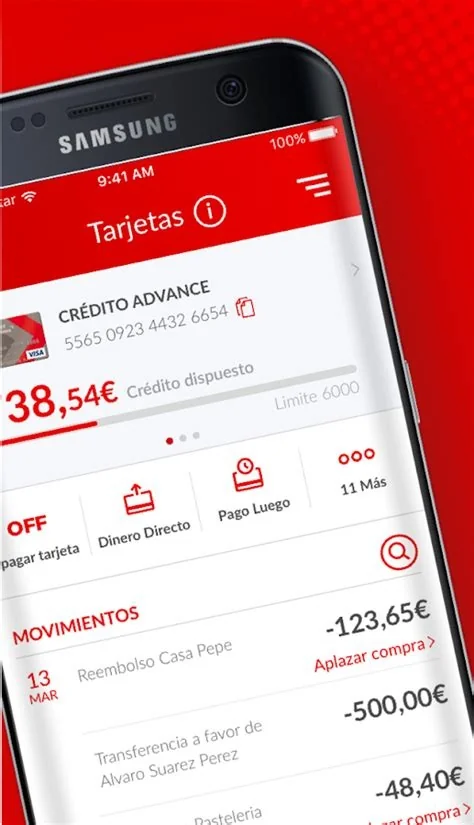
On a busy payroll day, the Santander Mexico mobile app stopped working, locking out millions of users from checking balances, confirming salary deposits, and making transfers. The outage began shortly after 1 p.m., coinciding with the peak of the bi‑weekly “quincena” period, and persisted into the evening, forcing customers to rely on phone support and alternative channels.
What Caused the Santander Mexico App Crash
Users reported that the app froze on the login screen, preventing any further navigation. Screenshots showed an unresponsive authentication page, and taps produced no reaction. Santander described the problem as “intermittent” and attributed it to a temporary service disruption, likely caused by server overload or a software glitch during a period of unusually high traffic.
Impact on Users During Payroll Day
- Salary verification blocked – Users could not confirm whether their wages had been credited.
- Transfers and bill payments halted – Peer‑to‑peer payments and scheduled bill payments were unavailable, risking late fees.
- Call‑center overload – With the digital channel offline, customers turned to phone support, increasing wait times and strain on service centers.
Industry Implications of Mobile Banking Outages
The incident highlights the growing reliance on mobile platforms for everyday banking in Mexico. With a majority of retail transactions now conducted digitally, any disruption can erode consumer confidence and expose gaps in business‑continuity planning. Repeated outages may prompt regulators to scrutinize banks’ disaster‑recovery protocols and encourage the industry to invest in more resilient infrastructure.
Santander’s Response and Future Plans
Santander issued a statement confirming that technical teams were working diligently to restore full functionality. While no specific timeline was provided, the bank has previously increased server capacity and applied software patches after similar events. Moving forward, Santander is expected to enhance redundancy, improve real‑time monitoring, and communicate more transparently during service interruptions. Customers are advised to keep alternative access methods—such as web‑based online banking or branch visits—available, especially during critical payroll periods.