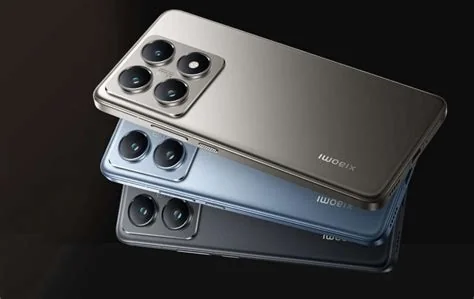
Samsung unveiled the Galaxy S26, S26 Plus, and S26 Ultra just before Mobile World Congress, delivering up to 24 GB RAM and a 200 MP camera while raising flagship prices due to soaring DRAM costs. Meanwhile, Xiaomi announced its 17 series in Barcelona, targeting premium specs at a lower price point, and both brands released Indian pricing that reshapes the high‑end market.
Samsung S26 Launch: Specs, Pricing, and Why It Matters
Flagship Lineup Overview
The new S26 family sticks with a classic 6.2‑inch Dynamic AMOLED display on the base model and expands to a 6.8‑inch panel with a 120 Hz refresh rate on the Ultra. Under the hood, Samsung bumped RAM to 12 GB on the S26, 16 GB on the Plus, and a massive 24 GB on the Ultra. Battery capacity also climbed to 5,000 mAh for the Ultra, 4,800 mAh for the Plus, and 4,500 mAh for the base model.
Camera Powerhouse
The S26 Ultra packs a 200 MP primary sensor, a 12 MP ultra‑wide lens, and a 10 MP periscope telephoto offering 10× optical zoom. The Plus trims the periscope but retains a 108 MP main shooter, while the base model holds a solid 108 MP camera.
Pricing Shift Driven by Memory Costs
DRAM prices have surged, forcing Samsung to lift flagship prices. The S26 Ultra now sits around $1,300, the Plus near $1,000, and the base model around $750. This price adjustment reflects Samsung’s strategy to balance premium specs with market‑driven pricing realities.
Xiaomi Barcelona Launch: A Pre‑MWC Power Play
Six days after Samsung’s announcement, Xiaomi revealed that its upcoming 17 series will debut in Barcelona, positioning the launch ahead of the main trade show. The move signals a bold attempt to capture early media attention and set the narrative before the industry’s biggest stage.
Key Specs on the Horizon
- Processor: Snapdragon 8 Gen 3 chipset
- Memory: Up to 12 GB RAM
- Camera: 108 MP main sensor
- Charging: 120 W fast‑charging (Ultra variant)
- Display: 6.7‑inch AMOLED panel
By offering comparable performance at a lower price, Xiaomi aims to challenge Samsung’s premium positioning, especially for price‑sensitive buyers.
India Pricing: How the Two Flagships Stack Up Locally
In the Indian market, Samsung’s S26 Ultra is priced at roughly ₹1,49,999, the Plus at ₹1,09,999, and the base model at ₹79,999. Xiaomi’s upcoming 17 series is expected to undercut Samsung by a modest margin, making it an attractive option for budget‑conscious consumers.
What This Means for Indian Shoppers
If you’re hunting a high‑spec device, Samsung offers the most cutting‑edge hardware but at a premium price. Xiaomi, on the other hand, promises similar specs with a friendlier price tag, potentially reshaping buying decisions in a market that balances aspiration with affordability.
Implications for the Smartphone Landscape
The memory‑price surge is forcing even flagship makers to rethink pricing structures. Samsung’s hike could compress the sweet spot for mid‑range devices, nudging consumers toward either older flagships or aggressive competitors like Xiaomi.
Launching before Mobile World Congress also signals a shift in how brands view the industry calendar. By unveiling early, Samsung and Xiaomi aim to set the narrative, capture early press, and possibly influence the coverage agenda at the main event.
Practitioner’s Perspective: Cost Pass‑Through in Action
From a supply‑chain viewpoint, rising DRAM costs create a classic cost‑pass‑through scenario. OEMs can either absorb the hit—hurting margins—or shift it onto consumers, inflating retail prices. Samsung’s decision to adjust flagship pricing reflects a pragmatic acceptance that premium buyers can tolerate higher costs, while price‑sensitive segments may gravitate toward more affordable alternatives like Xiaomi’s upcoming line.
Looking Ahead: What to Watch For
As the tech calendar moves forward, the S26 series will test whether brand loyalty can withstand a price increase. Xiaomi’s Barcelona reveal will challenge that loyalty by offering comparable specs at a tighter price. India will serve as the proving ground where these strategies either pay off or fall flat.
Whether you’re a tech enthusiast, a price‑watching shopper, or a professional tracking market dynamics, the evolving flagship landscape demands close attention. Stay tuned for how memory‑driven pricing reshapes premium buying habits and which brand ultimately captures the high‑end consumer.