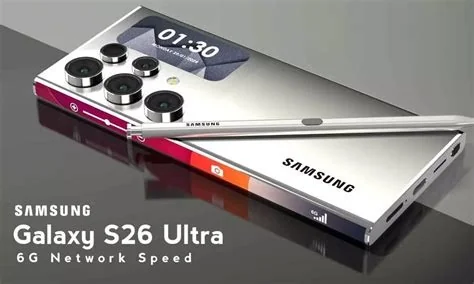
The Samsung Galaxy S26 Ultra launches in New Zealand at a $2,300 price tag, a figure driven primarily by today’s soaring DRAM and NAND costs. Samsung, which both manufactures memory chips and premium smartphones, has passed the higher component expense onto its flagship, keeping the price on par with its predecessor while offering upgraded specs for power users.
Why Memory Costs Drive the $2,300 Price
DRAM and NAND prices have been climbing sharply as AI workloads, data‑center demand, and high‑end smartphone adoption surge. Because Samsung produces the memory it uses, the company feels the squeeze on both supply and cost sides. Rather than absorb the expense, Samsung has reflected it in the S26 Ultra’s price, especially in regions like New Zealand where import duties add extra pressure.
S26 Ultra Configurations and What They Offer
Buyers can choose from four memory‑storage combos:
- 12 GB RAM + 256 GB storage
- 12 GB RAM + 512 GB storage
- 12 GB RAM + 1 TB storage
- 16 GB RAM + 1 TB storage – the top‑end model that delivers ample headroom for 8K video editing, heavy multitasking, and future AI‑enhanced apps.
The extra RAM isn’t just a marketing gimmick; it translates into smoother performance when you run demanding workloads, such as on‑device photo processing or intensive gaming sessions.
Ecosystem Add‑Ons: Galaxy Buds 4 and Buds 4 Pro
Samsung paired the launch with new wireless earbuds: the Galaxy Buds 4 at $179 and the Buds 4 Pro at $249. By bundling premium audio gear, Samsung nudges you toward a broader ecosystem, making the flagship feel like part of a complete high‑end experience rather than a stand‑alone device.
Who Should Consider the S26 Ultra?
If you’re a budget‑conscious shopper, the S26 Ultra’s $2,300 tag may feel steep, and the regular S26 or S26 + models—priced a few hundred dollars lower—might be a smarter choice. However, power users, photographers, and videographers who need the extra RAM and flagship‑grade camera hardware will find the premium justified.
Industry Implications of Samsung’s Pricing
Samsung’s decision underscores a broader trend: as memory costs rise, manufacturers must choose between absorbing the expense or passing it to consumers. This move could set a benchmark, pressuring rivals to either cut costs elsewhere or risk losing premium buyers who value stable pricing.
Bottom Line
The Galaxy S26 Ultra arrives as a technically impressive flagship whose $2,300 price mirrors today’s memory market reality. For you who demand top‑tier photography, heavy multitasking, and a seamless Samsung ecosystem, the cost may be a fair trade. For the broader market, Samsung’s wider lineup provides lower‑priced alternatives while still offering a premium experience.