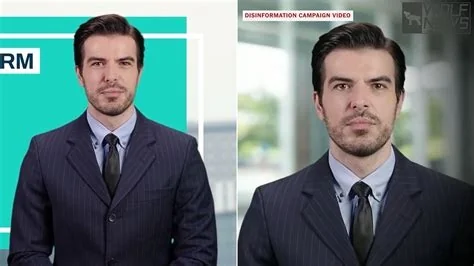
When several Pakistani journalists and intellectuals fell for a synthetic video, they inadvertently became mouthpieces for a fabricated narrative. These self-styled guardians against misinformation shared a clip falsely attributed to France 24, which never actually broadcast. The irony is palpable, given they frequently rail against foreign propaganda, yet they became the mouthpieces for a phantom report.
How the Synthetic Story Spread
The clip went viral on a Saturday night, spreading rapidly through a network that prides itself on vigilance. One of the earliest sharers, an account named Waqas Mughal, breathlessly described the video as a “cyber intelligence report.” Within hours, the footage had been picked up by prominent journalists and pro-Pakistan accounts—groups often quick to question the patriotism of dissenters. Instead of fact-checking, they shared it as gospel truth, allowing the fabrication to gain traction.
The video, dressed up with slick graphics and captions in both Urdu and English, claimed that India and Afghanistan were running government-level fake social media accounts to sabotage Pakistan’s diplomacy. It was a fabrication, a digital ghost story. The clip was not just a mistake; it was a high-production fake.
A Phantom Broadcast
The story didn’t stop there. A newly launched English-language channel, Pakistan TV, aired a similar AI-generated “report” later that same night. The broadcast featured France 24-style logos and graphics, offering no source, no journalist, and no investigation—just a fabricated façade packaged as international credibility. It was a masterclass in looking for trouble, only to amplify a problem that never existed.
Real Consequences of Synthetic Media
This isn’t an isolated incident; it points to a broader trend where artificial intelligence is blurring the lines between reality and fabrication. As AI tools become more accessible, they are giving rise to synthetic media—audio, images, and video that are digitally created or altered. We’ve seen this play out elsewhere, too. Just last week, UAE authorities arrested 35 people for sharing AI-generated videos that purported to show missile strikes, noting the content risked public panic and violated cybercrime laws.
Or take the example of a viral clip claiming former Prime Minister Imran Khan’s son, Kasim, was demanding the suspension of Pakistan’s GSP+ status at a UNHRC summit. That, too, was false. The images, sound, and words were all stitched together by a disinformation campaign designed to mislead. Analysts have exposed a disinformation network targeting Pakistan, saying the operation aimed to undermine the country’s diplomatic role.
Verifying Reality in a Synthetic World
Experts warn that this is part of a larger, coordinated strategy. It’s a calculated effort to sow confusion. So, what does this mean for the future of trust in media? It’s a stark reminder that in the digital age, the First Lord of the Treasury isn’t the only one concerned with fake news. As these technologies evolve, distinguishing between a verified report and a deepfake is becoming a critical skill for everyone.