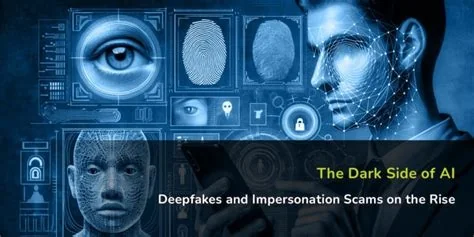
The rise of AI-generated deepfakes is causing significant harm, including financial fraud, reputational damage, and digital violence. You’re likely aware of the risks, but it’s essential to understand the scope of the problem. Victims include consumers misled by fake reviews, women targeted by deepfake abuse, and businesses suffering economic losses from AI-driven scams.
How Deepfakes Work
So, what’s behind this surge in deepfake-related harm? A key factor is the increasing accessibility of deepfake technology, which has made it easier for cybercriminals to create convincing fraudulent content. You might be surprised at how easily deepfakes can be created and used to deceive people.
The Tactics of Deepfake Scams
Deepfakes are often used to establish trust before directing victims to take high-risk actions, such as approving payments or visiting counterfeit websites. In many cases, deepfake voice or video impersonation is used to authorize transactions, bypass identity checks, and deceive customers at scale. The statistics are alarming: millions of counterfeit sites can be generated in just four minutes, and 15% of customers experience attrition due to lost trust.
The Impact of Deepfakes
A significant number of people are concerned about the risks associated with AI-generated deepfakes. You’re probably wondering what can be done to combat the rise of deepfake scams. The answer lies in a combination of advanced automated takedown systems and robust security measures.
Combating Deepfake Scams
- Advanced automated takedown systems can execute takedowns in as little as 2 minutes.
- Businesses and individuals need to be vigilant when it comes to deepfakes.
- Companies must invest in robust security measures, including AI-powered monitoring and takedown systems.
What’s Next?
It’s clear that we need a more comprehensive approach to tackling this problem. This includes regulatory responses, technical solutions, and education campaigns to raise awareness about the risks associated with deepfakes. You can play a crucial role by staying informed and taking steps to protect yourself from deepfake scams.
So, what can you do? Be cautious when interacting with online content, especially when it comes to sensitive transactions or personal data. If it seems too good (or bad) to be true, it probably is. By staying informed and taking steps to protect yourself, you can reduce the risk of falling victim to deepfake scams.
Take Control
It’s up to you to stay ahead of the threats and find ways to mitigate the harm caused by these scams. Don’t wait until it’s too late – take action today to protect yourself from the risks associated with AI-generated deepfakes.