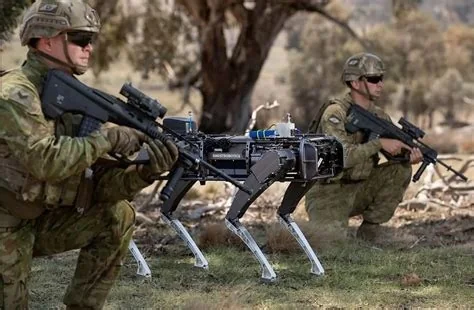
Asylon Robotics has deployed its advanced AI robot dogs for real-time security patrols on the Las Vegas Strip. These four-legged units are currently operating near Madame Tussauds, offering a powerful, tireless alternative to traditional guards. You’ll find them navigating crowded areas to handle complex inspection tasks autonomously, marking a major shift in how physical security is managed today.
Why Asylon Robotics Chose the Las Vegas Strip
The Las Vegas Strip represents the ultimate stress test for security technology. With massive crowds and high-value targets, traditional methods often struggle to keep up. Asylon Robotics sees the area as the perfect proving ground for their AI-driven solutions. By placing these units in such a high-traffic zone, they’re demonstrating that their tech can handle the chaos of a real-world environment.
Unlike human guards, these bots don’t need breaks, coffee, or sleep. They won’t get distracted by street performers or flash mobs. This operational efficiency allows them to maintain a constant vigil, acting as an extra pair of eyes that never blinks. It’s a strategic move that addresses the constant strain placed on security teams in tourist-heavy locations.
Real-World Performance vs. Traditional Guards
Are these machines ready to replace human officers? Not quite. The goal here is augmentation, not replacement. Asylon positions these robot dogs as tools to free up human staff from routine patrols. This shift allows security professionals to focus on complex, human-centric interactions that require empathy and quick judgment.
While humans excel at de-escalation and customer service, the robots excel at data gathering and perimeter monitoring. They navigate dynamic environments, identifying potential issues based on real-time data. This hybrid approach creates a more robust security layer that leverages the best of both worlds.
How the AI Actually Works on the Ground
At the International Security Conference, Asylon showcased how their technology navigates complex spaces. These aren’t just pre-programmed machines rolling in straight lines. They make autonomous decisions on the fly, adapting to obstacles and changing conditions instantly. This capability represents a significant leap from the clunky robotics of the past.
The impact is already visible at Madame Tussauds. A robotic security dog is actively patrolling the site, inspecting the area and gathering data without any human intervention. If a security breach occurs, the system is designed to react faster than a human could physically get there. This speed could be the difference between a minor incident and a full-blown crisis.
What This Means for Tourists and Locals
For the average tourist, these robot dogs might just feel like a cool part of the Vegas experience. You might spot a mechanical canine trotting down the sidewalk, looking like a scene from a sci-fi movie. In reality, they’re there to ensure your safety and the safety of everyone around you.
But for security professionals, this is a game-changer. The technology is mature enough to be deployed at scale. If this pilot program succeeds, we could see these units in airports, stadiums, and shopping malls across the US. The demand for scalable security solutions is high, and Asylon is leading the charge.
Addressing Privacy and Adoption Challenges
As with any new tech, questions arise. How do we balance enhanced safety with privacy concerns? These are hurdles that industry leaders must address as they scale up. Ensuring these robots don’t malfunction in crowded spaces is also critical for widespread adoption.
Despite these challenges, the momentum is undeniable. The landscape of physical security is evolving from reliance on human vigilance to a hybrid model where AI plays a central role. The tools are here, they’re working, and they’re changing the game for security professionals everywhere.
The question isn’t whether robot dogs will become a staple of security. It’s whether they’ll become the first line of defense in cities across America. The answer seems to be getting louder every day.