The US military is rapidly advancing its artificial intelligence (AI) capabilities, with recent deals struck with top AI firms OpenAI and Anthropic. You’re probably wondering what these agreements mean for the future of military tech. In short, the Pentagon is pushing to harness AI’s potential while minimizing its risks. But what exactly are the implications of these deals?
OpenAI and Pentagon Reach Deal
OpenAI, led by CEO Sam Altman, has reached a deal with the Pentagon to use its technology in a “classified network.” According to Altman, the agreement ensures that OpenAI’s tech won’t be used for “domestic mass surveillance” or “autonomous weapon systems.” You might be thinking, what about Anthropic, a rival AI firm? Well, Anthropic’s CEO, Dario Amodei, stated that his company couldn’t “in good conscience accede” to certain Pentagon demands.
Anthropic’s Concerns and the Pentagon’s Ultimatum
Anthropic had insisted on safeguards to prevent its AI from being used for mass surveillance or autonomous weapons. But the Pentagon wasn’t willing to compromise. Defense Secretary Pete Hegseth gave Anthropic until Friday at 5 p.m. to grant the military unrestricted use of its AI technology or risk losing its business with the US military. Hours before the deadline, OpenAI struck a deal with the Pentagon, seemingly paving the way for increased collaboration between the AI firm and the military.
Implications and Concerns
The agreement comes amid concerns about the unregulated use of AI models by militaries, including the Israeli army’s reported use of AI systems in its conflict with Gaza. Can we trust AI systems to make life-or-death decisions on the battlefield? The rapid development of AI in the military sphere raises significant ethical concerns. You might be wondering, what’s being done to address these concerns?
US Army’s AI Investments and Career Paths
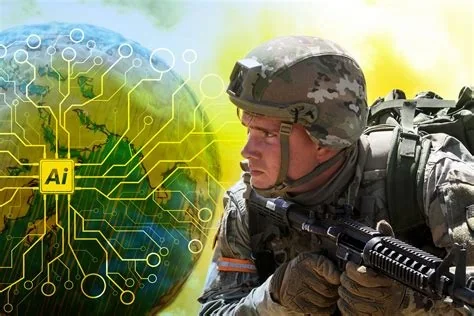
The US Army is also investing in AI-focused career paths, recognizing the importance of AI in modern warfare. The Army is developing new training programs to help soldiers work effectively with AI systems. But the implications of these deals go beyond just the military. As AI becomes increasingly integrated into our daily lives, we need to consider the potential risks and benefits.
Balancing Competing Priorities
From a technical standpoint, the deals struck between OpenAI, Anthropic, and the Pentagon highlight the complexities of developing and deploying AI systems in high-stakes environments. As AI continues to evolve, it’s essential that developers prioritize transparency, accountability, and ethics. The Pentagon’s approach to AI development has been characterized by a mix of pragmatism and caution. But some critics argue that the Pentagon’s approach is too focused on short-term gains, with insufficient consideration for long-term consequences.
Prioritizing Responsible AI Development
As AI becomes increasingly integral to military operations, it’s crucial that we prioritize ongoing evaluation and assessment. Ultimately, the future of military AI will depend on our ability to balance competing priorities: security, ethics, and innovation. Can we find a way to harness AI’s potential while minimizing its risks? The conversation is just beginning, and it’s essential that we engage with these issues and prioritize responsible AI development.
What’s Next?
- The intersection of AI, military tech, and ethics is complex and multifaceted.
- By prioritizing responsible AI development, we can ensure that AI is used to enhance our safety and security, rather than exacerbate existing risks.
- You can expect ongoing debate and discussion about the implications of AI in military tech.
The stakes are high, and it’s essential that we get it right. As AI continues to evolve, you can play a crucial role in shaping its development and deployment.