OpenClaw is an open‑source AI assistant that runs locally and automates tasks across apps, files, and APIs. Its recent release sparked a rapid $TWT token rally, pushing the price up more than 30 % in just two days. At the same time, security experts warn that the same flexibility can expose personal data if the agent isn’t properly contained.
OpenClaw Overview
How It Works
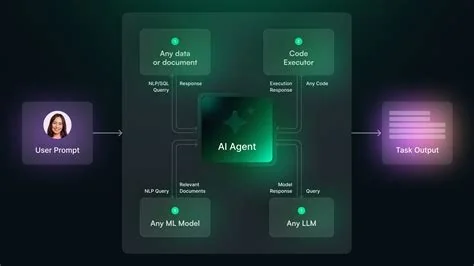
OpenClaw operates as a self‑learning agent on your machine, connecting to installed applications, reading files, and calling external APIs. Developers can publish tiny plug‑ins called “skills” through a community marketplace, extending the agent’s capabilities without writing new code.
What’s Driving the $TWT Surge
The token $TWT, native to the Trust Wallet ecosystem, has become the preferred bridge for AI‑powered services. As developers race to integrate OpenClaw‑compatible wallets and DeFi bots, traders are betting that $TWT will serve as the default fee token for automated workflows. That speculative demand is what’s pushing the price upward.
Privacy and Security Concerns
Security researchers have highlighted several risk vectors. Because OpenClaw can scan passwords, documents, and calendar entries, a malicious skill could silently exfiltrate that information to an external server. Default configurations also grant the agent broad OS access, meaning a compromised skill might execute arbitrary code, steal private keys, or even render the host unusable.
How to Safely Use OpenClaw
If you decide to try OpenClaw, follow these safeguards:
- Isolate the agent – run it inside a dedicated virtual machine or container.
- Limit privileges – never grant admin rights unless absolutely necessary.
- Audit every skill – review code, verify the publisher’s identity, and disable default API keys.
- Network segmentation – keep the agent on a separate subnet to prevent lateral movement.
- Continuous monitoring – set up alerts for unusual outbound traffic.
Bottom Line
OpenClaw offers a powerful, open‑source way to automate everyday tasks, and its buzz has catapulted $TWT into the spotlight. Yet the very openness that fuels innovation also opens doors for privacy breaches and malicious exploitation. You’ll need to weigh convenience against risk, and you should implement strict isolation and monitoring if you want to benefit from the technology without compromising security.