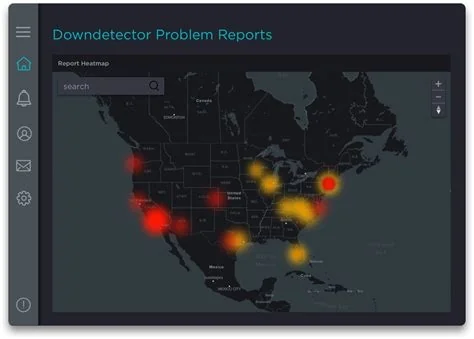
Both X and YouTube experienced massive service interruptions this week, with over 41,000 reports for X in the U.S. and more than 250,000 reports for YouTube worldwide. The spikes revealed real‑time user frustration, highlighted gaps in official communication, and forced marketers, developers, and IT teams to scramble for workarounds. Here’s what you need to know.
What Happened and When?
On Tuesday morning, X’s platform hiccup peaked at just over 41,000 user reports in the United States at 8:42 a.m. ET. By the end of the day, the count fell to around 25,000, indicating a gradual recovery but still a sizable disruption.
Meanwhile, YouTube faced a far larger surge. By Tuesday evening, Downdetector logged more than 250,000 reports from users around the globe, affecting everything from video playback to the homepage.
Why Downdetector Matters
Downdetector aggregates real‑time user reports and cross‑checks them against official status pages, often surfacing problems before the platforms acknowledge them. When X remained silent, users turned to the community‑driven feed for clues. YouTube showed a similar pattern, with no formal statement from Google during the peak of the outage.
Underlying Causes of the Outages
X’s Recent Reliability Issues
The platform’s history includes several outages since its 2023 migration to a new cloud architecture. The current incident follows a familiar pattern: a sudden spike in reports, a brief period of uncertainty, and a gradual decline as engineers restore service.
YouTube’s Complex Infrastructure
YouTube relies on a sprawling network of data centers, edge caches, and content‑delivery pipelines. A single point of failure—such as a routing misconfiguration, storage glitch, or software rollout—can cascade into a global slowdown, which the 250,000‑plus reports suggest happened this time.
Impact on Users and Businesses
For everyday users, the pain is obvious: missed tweets, delayed video uploads, and generic “Something went wrong” errors. The ripple effects reach deeper:
- Marketing teams lose live‑stream timing and analytics data.
- Developers face API disruptions that can break integrations.
- IT departments use Downdetector spikes as early‑warning signals to trigger contingency plans.
If you rely on these platforms for real‑time engagement, a prolonged outage can erode trust and push you to consider backup channels.
How Professionals Respond
Incident managers treat a Downdetector surge as a signal, not a verdict. Many agencies now integrate alerts into Slack or other collaboration tools, automatically tagging on‑call engineers when reports cross a predefined threshold. This proactive approach lets teams communicate with clients before the outage escalates into a full‑blown crisis.
Looking Ahead
Both X and YouTube have a track record of restoring service within a few hours, and current charts suggest the worst of these blips is behind us. However, the incidents raise an important question: are the platforms investing enough in redundancy and transparent communication? As you keep an eye on the red alerts, remember they’re more than numbers—they’re early clues that help you protect your digital operations.