Japan is quietly pivoting toward a digital future where your movements and digital footprint are tightly tethered. We’ve seen headlines about AI taking over, but the practical reality is often just a lot of cameras. The National Police Agency recently dropped a bombshell: starting April 2026, cyclists are about to face a new reality. No more informal warnings; they’re introducing a “blue ticket” fine system for minor infractions. It’s the end of the “get out of jail free” card, replaced by a digital slap on the wrist.
From Red Tickets to Blue Tickets
Let’s be real, how many of us have hopped on a bike, checked a notification, and kept pedaling? It’s a guilty pleasure for many, but come April 2026, that reckoning arrives. The new system, announced last May, is a shift from the old “red ticket” system where you might just get a stern talking-to. Now, if you’re 16 or older, you’re looking at a fine of up to 12,000 yen if you catch a wave while riding. It’s a steep price for a quick scroll, but the police say it’s necessary to fix low compliance rates. And let’s face it, people just don’t care much about traffic rules for bikes, which is why Parliament had to act.
What Counts as an Infraction?
The fines cover a surprisingly long list, too. It’s not just the phone usage; running red lights? 6,000 yen. Ignoring a stop sign? 5,000 yen. If you do 113 different things wrong, you’re paying up to 12,000 yen to stay out of criminal court. This new approach mirrors the rules already applied to cars and motorcycles, leveling the playing field. It’s a bit of a tough love approach, sure, but it’s designed to make cyclists take the rules seriously. The goal is simple: clear enforcement and better safety for everyone on the road.
- Texting or using devices while cycling
- Running red lights
- Ignoring stop signs
The Tech Behind the Enforcement
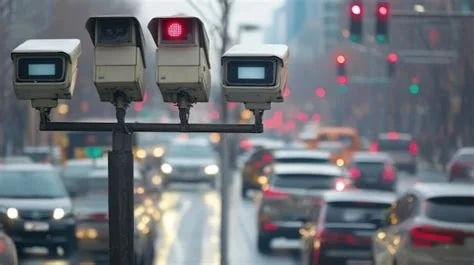
But this isn’t just about bikes; it’s about the tech ecosystem surrounding them. We can’t talk about fines without talking about the eyes watching. The government is already testing body cameras for police, and the conversation is already moving toward integrating AI with surveillance. Smart businesses are already thinking about this, ensuring their compliance is tight before they go all-in on surveillance tech. The integration of AI and cameras is no longer sci-fi; it’s happening, and it’s here to stay.
Practitioners Perspective: Preparing for Change
So, what does this mean for the average business owner or tech manager? It’s a wake-up call. If you’re installing security cameras, you need to get legal advice now, not later. The conversation is already moving toward AI-driven surveillance, and understanding the landscape is the only way to avoid a PR nightmare or a lawsuit. You don’t want to be on the wrong side of privacy violations or administrative trouble just because you didn’t understand the law. Don’t wait for the fines to hit; get ahead of the curve.