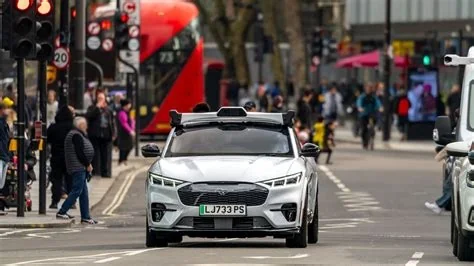
London is gearing up to welcome robotaxis on its streets, with several companies, including Wayve and Uber, preparing to launch their services. You can expect to see supervised robotaxis in London for data collection, with the goal of rolling out fully self-driving services soon. But as excitement builds around this new technology, concerns are growing about the potential risks and security threats associated with autonomous vehicles.
Robotaxi Services Expand in London
Wayve, a British self-driving car firm, has secured significant funding to support its London launch in partnership with Uber. The company plans to introduce its services in London, allowing consumers to experience Wayve-powered robotaxis through commercial trials with Uber. You’re likely to see these robotaxis on London’s streets sooner than you think.
Addressing Safety Concerns
However, not everyone is convinced that the benefits of robotaxis outweigh the risks. There are concerns about the potential for hackers to take control of autonomous vehicles, turning them into a threat. These concerns are valid, and it’s essential that companies like Wayve and Uber prioritize security and work closely with regulators to ensure that these new technologies are deployed safely and responsibly.
Mitigating Risks and Ensuring Security
Wayve and other companies are taking steps to ease concerns about flooding London streets with robotaxis. They’re planning to introduce their services in a more controlled and gradual manner. But can the industry do enough to prevent these types of threats? You might be wondering what measures are being taken to ensure your safety on the roads.
Prioritizing Security Measures
- Companies are working to identify and address potential vulnerabilities in their systems.
- Regulators are collaborating with industry leaders to establish strict security protocols.
- Public awareness campaigns are being launched to educate people about the benefits and risks of robotaxis.
The Future of Transportation in London
The rapid adoption of robotaxis and self-driving cars is raising concerns about safety and regulations. While these technologies have the potential to revolutionize transportation, they also introduce new risks and vulnerabilities. As the industry continues to evolve, it’s clear that security measures will need to be a top priority. You can expect to see significant changes in the way you travel in London in the coming years.
With companies like Wayve and Uber leading the charge, London is set to become a hub for autonomous vehicle innovation. But what does this mean for the future of transportation in London? Will robotaxis become a common sight on the city’s streets, or will concerns about safety and security hold back their adoption? Only time will show, but one thing is certain – the transportation landscape is about to get a lot more interesting.
What’s Next for Robotaxis in London?
For now, Londoners can expect to see robotaxis on their streets soon. Are they ready for the change? You might be wondering what this means for your daily commute. As we move forward, one thing is clear: the future of transportation will be shaped by the intersection of technology, safety, and regulation.