The Strait of Hormuz, a critical waterway for global oil and gas shipments, has seen a significant decrease in marine traffic following recent geopolitical developments. You might be wondering what’s behind this sudden drop in marine traffic and what it means for the global shipping industry. Ship movement through the strait has plummeted, with at least 150 tankers affected, including vessels carrying crude oil and liquefied natural gas.
Understanding the Situation
The Strait of Hormuz is a vital route for oil and gas shipments, with hundreds of vessels passing through daily. The recent closure of the strait has caused a ripple effect throughout the global shipping industry. As a result, ship tracking data shows a substantial decrease in ship movement through the Strait of Hormuz, which is likely to have far-reaching implications for the global economy.
Impact on the Shipping Industry
The closure of the Strait of Hormuz has significant implications for the shipping industry. With global tensions on the rise, the industry is facing increasing uncertainty and risk. You need to stay informed and adapt to changing circumstances to mitigate these risks. Relying on trusted sources of maritime data, such as MarineTraffic, can help you stay ahead of the curve.
MarineTraffic: A Valuable Resource
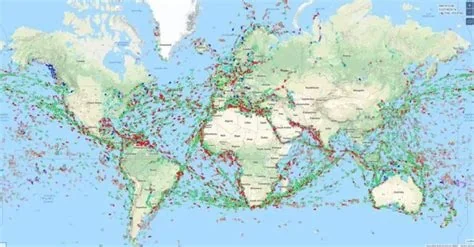
MarineTraffic provides near real-time information on vessel positions around the world. With a database of over 550,000 active and decommissioned vessels, it’s a go-to resource for shipping industry professionals and researchers alike. The MarineTraffic app, with over 8.6 million downloads and a 4.34-star rating, offers users real-time information on vessel positions, as well as detailed vessel information and photos.
Mitigating Risks and Navigating Uncertainty
- Stay informed about vessel positions and shipping traffic through trusted sources like MarineTraffic.
- Work with governments and other stakeholders to develop strategies for navigating complex and volatile regions.
- Be prepared to adapt to changing circumstances and mitigate risks.
As the situation continues to unfold, it’s essential for industry professionals like you to stay vigilant and collaborate to address the challenges ahead. The shipping industry will be watching the Strait of Hormuz closely in the days and weeks to come, and it’s crucial to be prepared for any potential impact.