
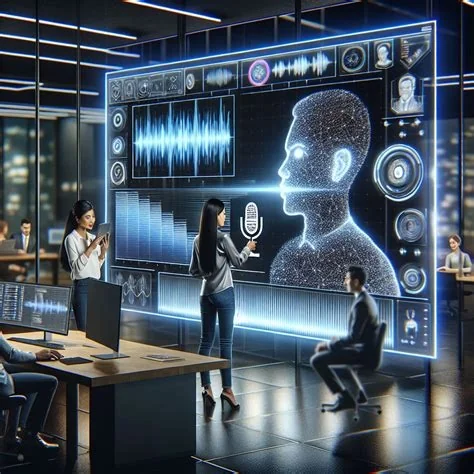
Imagine a news briefing that drops every morning without a human ever pressing “record.” OpenAI’s text‑to‑speech technology now powers fully automated podcasts, turning scraped articles into a polished script and a synthetic voice that sounds like a professional anchor. You can set it up once and let it run on autopilot, delivering concise updates before you even sip your coffee.
How Automated News Briefings Work
First, a crawler pulls stories from a curated list of sources. The raw content is then fed to a language model that drafts a concise script, trimming fluff and highlighting the most relevant facts. Finally, OpenAI’s voice engine reads the script aloud, producing an MP3 file that’s ready for distribution. The whole chain runs on a schedule you define, so the briefing arrives at the same time each day.
Step‑by‑Step Workflow
- Content aggregation: scrape headlines and summaries from dozens of feeds.
- Script generation: use a language model to write a coherent, engaging narrative.
- Fact‑checking: run automated checks to flag discrepancies before recording.
- Voice synthesis: convert the vetted script into a natural‑sounding audio file.
- Distribution: push the final episode to email, RSS, or any platform you choose.
Key Tools Powering AI Voice Production
The backbone of this pipeline is OpenAI’s TTS engine, which offers multiple voice styles and can be fine‑tuned to match your brand’s tone. Alongside it, a lightweight scripting framework lets you schedule runs, handle errors, and update the source list without writing extensive code. The result is a production‑grade system that feels as simple as setting an alarm.
Why the Voice Engine Stands Out
OpenAI’s engine delivers high fidelity and consistent pacing, so listeners stay engaged even when the topics shift rapidly. It also supports custom pronunciations, letting you insert brand names or jargon without a stutter. Because the model runs in the cloud, you don’t need pricey hardware to keep the audio crisp.
Impact on Newsrooms and Audiences
For small outlets, the barrier to launch a daily briefing has dropped dramatically. No longer do you need a full‑time anchor, a recording studio, or a post‑production team. Even larger broadcasters can shave hours off their turnaround time, freeing journalists to focus on investigative work instead of the mic.
Benefits at a Glance
- Speed: go from breaking story to broadcast‑ready audio in under an hour.
- Cost efficiency: eliminate studio time and reduce staffing overhead.
- Scalability: spin up multiple channels—weather, sports, finance—each with its own voice.
- Consistency: maintain a uniform sound and style across all episodes.
But the shift also raises questions. Listeners might wonder who’s really behind the voice, and trust could wobble if the synthetic tone feels too “robotic.” Ownership of the generated voice also matters; most providers now grant full commercial rights, yet you’ll still want clear licensing terms.
Future Outlook for AI Anchors
As the technology matures, we’ll likely see hybrid models where AI handles the bulk of routine briefings while human anchors step in for deep‑dive analysis. That balance could keep audiences comfortable while still reaping the efficiency gains of automation. If you’re planning a new audio channel, now’s the moment to experiment with an AI‑driven workflow and see how it reshapes your content pipeline.


