Alibaba founder Jack Ma and top executives recently discussed the impact of artificial intelligence (AI) on education, emphasizing that it presents both immense challenges and opportunities for teenagers. You might wonder what this means for the future of education and how it will adapt to these changes. The meeting highlighted the need for education to “return to its essence,” focusing on cultivating creativity and imagination.
Adapting Education for the AI Era
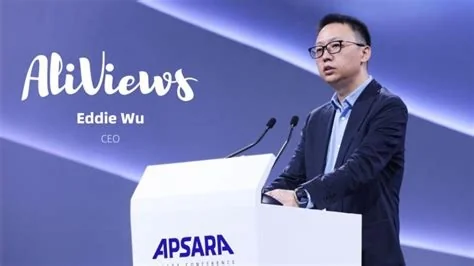
Alibaba chairman Joe Tsai stressed that critical thinking, which involves asking the right questions, is crucial in the AI era. He emphasized that the ability to communicate – both with machines and other people – may become one of the most important skills. You need to develop these skills to thrive in an AI-driven economy. On the other hand, Alibaba CEO Eddie Wu Yongming argued that as mental labor is increasingly replaced by AI, physical vitality will become crucial, suggesting that sports will play a more significant role in a digital world.
Leveraging AI for Educational Change
Ant chairman Eric Jing Xiandong said that AI should be used to handle repetitive tasks, freeing up people to cultivate their unique qualities, such as aesthetic sense, creativity, and imagination. However, he also cautioned that while relying on AI, people must avoid letting it become an “indispensable crutch.” You should be aware of the potential risks and benefits of AI in education.
Key Takeaways and Future Directions
- Emphasis on critical thinking, creativity, and empathy in education
- Importance of AI literacy and digital skills for students
- Need for policymakers to shift from investing in capital to investing in people
The discussions between Jack Ma, Alibaba leaders, and teachers suggest that there is a growing recognition of the need for change in education. It’s up to you, educators, policymakers, and stakeholders to take action and create a brighter future for generations to come. By working together, you can unlock the full potential of AI and create a more equitable and prosperous future for all.
Preparing Students for an AI-Driven Economy
As AI continues to transform industries, education must adapt to prepare students for a rapidly changing world. You need to ensure that students are equipped with the skills they need to thrive in an AI-driven economy. By prioritizing AI literacy, digital skills, and critical thinking, you can help students succeed in this new era.