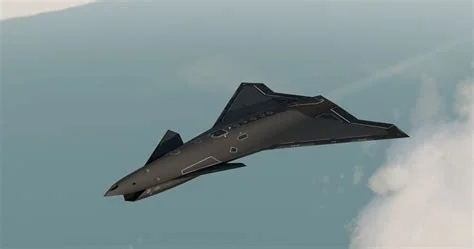
Airbus is set to debut its AI‑driven Valkyrie “loyal wingman” concept, pairing a proven unmanned combat airframe with the home‑grown MARS mission suite to give the German Air Force a ready‑to‑field, low‑cost collaborative fighter. The upcoming test flight will showcase how a manned Eurofighter can hand off high‑risk tasks to autonomous wingmen, delivering a modular edge for Europe’s air warfighting.
Why Airbus Chose the Valkyrie Platform
The XQ‑58A Valkyrie first flew in 2019 and was built as a low‑cost, high‑performance aircraft. It can cruise over 5,000 km, climb to 45,000 ft and carry a three‑tonne payload. Its design lets it operate autonomously, in coordinated swarms, or in manned‑unmanned teaming scenarios, making it a perfect partner for a sovereign AI mission system.
MARS Mission System: AI at the Core
MARS is an open‑architecture suite that can ingest any sensor, weapon or communications node you need. The brain of MARS is the AI‑driven MindShare module, which handles real‑time situational awareness, automated decision‑making and coordinated operations across air, land and cyber domains. MindShare replaces traditional pilot functions, allowing the Valkyrie to react instantly to emerging threats.
Upgrading the Eurofighter Typhoon
The manned Eurofighter Typhoon will act as the “command node” for the Valkyrie wingmen. Its Litening 5 targeting pod is being retro‑fitted with advanced connectivity, so the Typhoon can share sensor data and mission intent with the autonomous pair. This upgrade lets the crewed aircraft off‑load high‑risk tasks while retaining overall command authority.
Timeline and Delivery Outlook
The first AI‑enabled flight is slated for later this year, serving as a technology‑demonstration milestone. Airbus aims to deliver the full uncrewed collaborative combat aircraft (UCCA) capability to the German Air Force by the end of the decade, offering a proven airframe combined with a sovereign European mission system.
Strategic Implications for Europe
Deploying the Valkyrie‑MARS combo signals a push for technological sovereignty, reducing reliance on non‑European software. It also provides a modular tool that fits into the broader Future Combat Air System architecture, enabling seamless cooperation among fighters, drones, sensors and ground stations. Other NATO members could follow this model to field AI‑enabled wingmen without the expense of a brand‑new aircraft programme.
Challenges Ahead
Integrating AI decision‑making into live combat loops demands rigorous testing, robust cybersecurity and clear rules of engagement. The German Ministry of Defence still needs to publish a detailed safety case for AI‑driven weapons, and any misstep could trigger political backlash. Nonetheless, Airbus has already aligned two Valkyries with MARS, upgraded the Eurofighter data link and set a clear delivery schedule.
What This Means for You
If the upcoming flight proves successful, you’ll see a new paradigm where proven airframes, home‑grown software and affordable scalability combine to shape Europe’s next‑generation air combat. The AI‑driven “loyal wingman” could become a cornerstone of future air power, offering a tangible path from concept to operational capability.