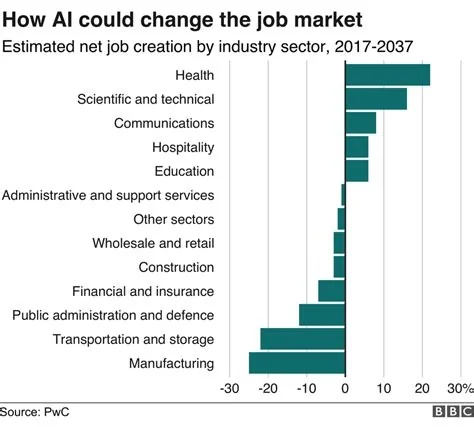
The rapid advancement of artificial intelligence (AI) is transforming the job market, leading to widespread layoffs, the creation of new job roles, and a reevaluation of retirement plans. As AI continues to automate various tasks, companies are adapting to the changing landscape, resulting in both positive and negative impacts on the workforce. You might be wondering what this means for your future career prospects.
Mass Layoffs and AI
Recently, Block announced that it would slash nearly half of its workforce, citing AI as a major factor in its decision. The company plans to cut over 4,000 employees, sparking concerns about the potential for mass layoffs in other industries. According to Jack Dorsey, CEO of Block, the company chose to make a single round of deep cuts instead of layoffs spread over months and years to protect morale and customer trust.
The Impact on Workers
But what does this mean for you, the worker? Will AI replace your job, or will it create new opportunities? Morgan Stanley’s research suggests that while AI will undoubtedly change the nature of work, it won’t necessarily lead to widespread unemployment. Instead, the firm argues that AI will create new job opportunities, many of which don’t exist yet.
New Job Opportunities and AI Governance
As AI becomes central to business strategy, companies are expected to hire executive-level “chief AI officers” to guide technology adoption across departments. There will also be a surge in AI governance roles focused on data compliance, policy oversight, and information security. These new roles will emerge as AI continues to augment and enhance existing jobs, rather than replace them.
Debating the Role of AI in Layoffs
However, not everyone is convinced that AI is the primary driver of layoffs. Some experts suggest that other factors, such as stock performance and overhiring, might be at play. You might be wondering what’s really driving these layoffs, and what the future holds for workers in the age of AI.
The Future of Work in an AI-Driven Economy
As AI continues to reshape the labor market, it’s essential to consider the implications for workers, businesses, and the economy as a whole. The trend of AI-driven layoffs has caught the attention of policymakers, and it’s crucial for workers to adapt and acquire new skills to remain relevant.
Preparing for the Future
To thrive in an AI-driven economy, you might need to upskill or reskill. Businesses must prioritize workforce transformation, investing in education and training programs that prepare employees for the changing landscape. By doing so, we can ensure that the benefits of AI are shared by all, rather than exacerbating existing inequalities.
- Acquire new skills to remain relevant in an AI-driven economy
- Upskill or reskill to take advantage of new job opportunities
- Businesses must invest in education and training programs
Conclusion
AI is undoubtedly reshaping the job market, leading to both challenges and opportunities. As we move forward, it’s essential to prioritize workforce transformation, education, and training, ensuring that workers are equipped to thrive in an AI-driven economy. You have the power to adapt and evolve, and by doing so, you can ensure a bright future for yourself in the age of AI.