Xiaomi’s latest announcements bundle a 990‑hp electric SUV, a detachable magnetic camera lens, and the upcoming 17 series smartphones into a single high‑performance push. The YU7 GT promises 300 km/h top speed, a 100 kWh pack, and advanced autonomous features, while the magnetic lens adds DSLR‑like flexibility to flagship phones, and the 17 line brings Snapdragon 8 Gen 3 power and up to 200 MP imaging.
990‑hp YU7 GT SUV Sets New Performance Bar
Powertrain and Speed
The YU7 GT uses a dual‑motor setup delivering 738 kW (about 990 hp) and can hit 300 km/h (186 mph). That puts it in the same league as the Tesla Model S Plaid, but Xiaomi aims to price it lower than most high‑end EVs.
Battery, Range, and Build
Equipped with a 100 kWh battery, the SUV offers roughly 500 km of WLTP range. Its chassis blends high‑strength aluminum with carbon‑fiber panels to keep weight down while maintaining rigidity. Inside, a “HyperVision” display and a sophisticated autonomous‑driving stack promise a futuristic cabin experience.
Detachable Magnetic Lens Brings DSLR Flexibility to Phones
Design and Sensor Capabilities
The magnetic lens snaps onto the back of Xiaomi’s flagship phones via a built‑in magnetic array. It supports sensors up to 108 MP and features per‑pixel phase‑detect autofocus, giving you sharper low‑light shots without swapping the whole device.
Potential Impact for Mobile Photographers
For photography enthusiasts, the lens offers interchangeable optics similar to a DSLR, but in a pocket‑friendly form factor. If it reaches stores this year, it could become the first mainstream modular camera system for smartphones, letting you upgrade optics without buying a new phone.
Xiaomi 17 and 17 Ultra: Premium Specs Explained
Core Hardware and Display
Both models run on the Snapdragon 8 Gen 3 chipset and come with up to 12 GB of LPDDR5X RAM. They feature a 6.7‑inch 2K AMOLED panel with a 120 Hz refresh rate, delivering smooth scrolling and vibrant colors.
Camera and Battery Highlights
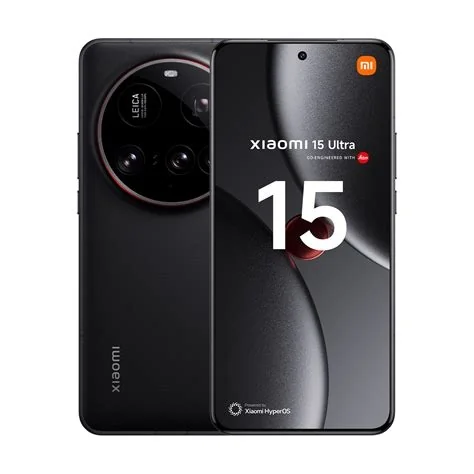
The 17 Ultra steps up the game with a 200 MP primary sensor, a periscope telephoto lens offering 5× optical zoom, and a 5,000 mAh battery. Both phones ship with MIUI 15 and integrate Xiaomi’s “HyperVision” UI, mirroring the SUV’s cockpit experience.
Why These Moves Matter for You
By targeting high‑performance EVs, modular phone optics, and premium smartphones, Xiaomi is positioning itself as a competitor across multiple tech frontiers. If the YU7 GT lives up to its specs, you could get supercar‑level acceleration at a fraction of the usual price. The magnetic lens gives you the freedom to experiment with optics, and the 17 series ensures you’re not left behind in the flagship race.
Expert Insights
- Automotive engineer Li Wei: “A 738 kW output in a production SUV is ambitious, but not impossible. The real challenge is thermal management and battery durability at sustained high speeds. If Xiaomi nails the cooling system, the YU7 GT could set a new benchmark for sub‑$100k performance EVs.”
- Camera specialist Maya Patel: “Modular lenses have struggled with alignment and software integration. Xiaomi’s magnetic interface, paired with a robust AI‑driven image pipeline, could finally make a detachable system feel seamless. It would give power users a reason to upgrade optics without buying a new handset.”
What to Watch Next
Keep an eye on the YU7 GT’s official unveiling later this year for real‑world performance data. If the magnetic lens hits shelves before the end of the year, early adopters will test its image quality against traditional flagship cameras. And the Xiaomi 17 series will likely be the first to showcase the company’s “HyperVision” ecosystem across both automotive and mobile platforms.