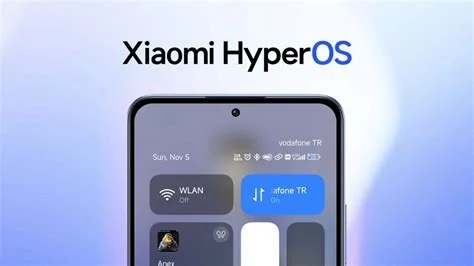
Xiaomi’s HyperOS roadmap is set to deliver HyperOS 4 with a refreshed UI, AI‑driven widgets, and performance gains built on Android 16, while the current HyperOS 3.1 rollout nears its end‑of‑life deadline. The company’s phased OTA schedule defines device compatibility across Xiaomi, POCO and Redmi lines, ensuring a clear transition from the legacy HyperOS 3 branch to the next‑gen platform.
HyperOS 4 – Next Generation Features
Visual Refresh and AI Widgets
HyperOS 4 introduces a modern visual language that updates icons, animations, and system colors for a more cohesive look. Integrated AI widgets provide contextual information and predictive shortcuts directly on the home screen, leveraging on‑device intelligence to personalize the user experience.
Performance Optimizations on Android 16
Built on the Android 16 foundation, HyperOS 4 delivers faster app launch times, reduced background CPU usage, and improved memory management. These enhancements aim to extend battery life while maintaining smooth performance across flagship and mid‑range devices.
HyperOS 3.1 – Final Phase and End‑of‑Life
System‑Wide Improvements
HyperOS 3.1 brings a comprehensive system refresh, including smoother animations, redesigned home‑screen icons, and a revamped notification shade. The update also modifies the kernel architecture to support advanced power‑management features and AI accelerators in newer SoCs.
Compatibility Matrix and Device List
The HyperOS 3.1 rollout covers recent Xiaomi flagships such as the Mi 13 series, POCO F5 Pro, and Redmi K70 series. Older models like the Redmi Note 12 series and certain POCO X5 variants are excluded, aligning with the plan to close the HyperOS 3 branch before the end of the OTA window.
Rollout Strategy and Timeline
Phased OTA Deployment
Xiaomi employs a staged OTA approach, beginning with a limited group of devices and gradually expanding to the full compatibility list. This method allows real‑time monitoring of telemetry and rapid rollback if anomalies are detected.
Deadline for HyperOS 3 Branch
The company has set a hard cutoff for all HyperOS 3 updates, ensuring that the legacy branch is fully retired before the HyperOS 4 launch. This deadline prevents kernel conflicts and frees resources for the next major version.
User Impact and Market Implications
UI Enhancements and AI Integration
For end‑users, HyperOS 4 promises a more polished interface and AI‑centric features that narrow the gap with Google’s native Android experience. The transition may involve a temporary period where devices run HyperOS 3.1 before receiving the next major upgrade.
Competitive Positioning
By aligning HyperOS 4 with Android 16, Xiaomi ensures timely security patches and API updates, strengthening its position against other OEM skins. The clear software longevity roadmap can influence purchasing decisions in markets where long‑term support is a key factor.
Technical Challenges and OTA Management
Kernel Overhaul Risks
The kernel changes introduced in HyperOS 3.1 improve power efficiency but require extensive testing across diverse hardware to avoid bricking devices. Xiaomi mitigates this risk through rigorous validation and a fallback mechanism within its OTA system.
Staged Rollout and Telemetry
Leveraging the Mi Cloud infrastructure, Xiaomi monitors update performance in real time. Telemetry data guides incremental rollouts, allowing the team to address issues before they affect the broader user base.
Outlook for Xiaomi’s Software Ecosystem
With HyperOS 4 on the horizon and HyperOS 3.1 nearing completion, Xiaomi’s software roadmap is both ambitious and tightly controlled. The upcoming months will reveal how smoothly the new kernel and AI features integrate across the brand’s extensive device lineup, shaping the future of the HyperOS platform.