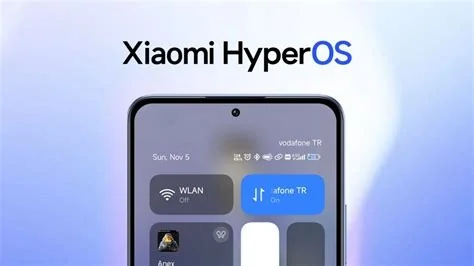
Xiaomi’s HyperOS 3 is now 95 percent deployed across its lineup, with the final batch of entry‑level devices slated for early 2026. The update brings Android 16‑based features, larger security patches, and a smoother AI experience. Meanwhile, the company is already gearing up for HyperOS 4, a self‑built platform that promises a clean break from the legacy MIUI code.
HyperOS 3 Deployment Milestones
Current Completion Status
The rollout has reached the 95 percent mark, meaning most flagship and mid‑range phones already run HyperOS 3. The remaining devices—primarily budget models—will receive the update in the next few months, ensuring the entire Xiaomi portfolio benefits from the latest Android version.
Device Rollout Details
Recent waves added roughly 20 new models, expanding the update’s reach. Download sizes vary between 2.3 GB and 3.1 GB depending on hardware, and the OTA prompt appears directly in the system settings for eligible phones.
Why HyperOS Matters for Xiaomi Users
Unified Architecture Benefits
By consolidating its UI under HyperOS, Xiaomi reduces fragmentation, speeds up feature delivery, and simplifies security patch management. This unified approach also lays the groundwork for tighter AI integration across all devices.
Impact on Security and AI Services
Every device running HyperOS 3 gains access to the latest Android 16 security updates, protecting you from emerging threats. In addition, AI‑driven services run more efficiently thanks to the streamlined codebase.
Looking Ahead to HyperOS 4
Self‑Built Platform Vision
HyperOS 4 aims to replace legacy MIUI components with a completely home‑grown architecture. This “zero‑legacy” design will let Xiaomi control the entire software stack, cutting reliance on third‑party code and accelerating innovation cycles.
Expected Improvements
Anticipated enhancements include faster OTA updates, deeper AI integration, and privacy controls baked directly into the OS. The new platform should also offer a more consistent developer experience across Xiaomi’s diverse hardware range.
Developer and User Implications
Consistent API Surface
Developers will soon work with a uniform API across a broader set of devices, reducing the need for device‑specific tweaks and improving app performance for you.
OTA Update Experience
With HyperOS 4’s streamlined pipeline, future updates are expected to download quicker and install with fewer interruptions, keeping your phone up to date without hassle.
Engineer Insight on the Rollout
One firmware engineer involved in the HyperOS deployment explained that reaching 95 percent completion required weeks of coordinated testing across varied hardware. “The biggest challenge was ensuring the new kernel and HAL layers cooperate with legacy drivers on entry‑level chips,” they said. “Our modular abstraction lets us swap components without rewriting the whole stack, which is why HyperOS 4 can be a clean break from MIUI.”