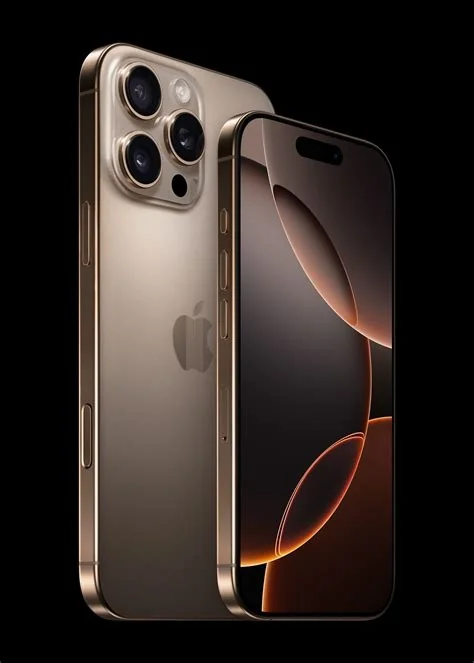
Xiaomi’s upcoming 18 Pro and 18 Pro Max flagships pack two 200‑megapixel cameras, a Snapdragon 8 Elite Gen 6 processor, and a compact design that keeps the brand’s signature rear‑display. The dual‑200MP setup promises unprecedented detail while the new chipset aims to handle the massive data without draining the battery, making these devices a potential game‑changer for mobile photography.
Design and Display
Both models retain the sleek silhouette introduced with the previous generation, featuring a thin rear‑display strip that doubles as a notification hub. The 18 Pro sports a 6.3‑inch panel, while the Pro Max adds a slightly larger screen for those who crave extra real‑estate. The design language stays familiar, so you’ll feel right at home if you’ve handled a recent Xiaomi flagship.
Performance and Chipset
The heart of the new phones is Qualcomm’s Snapdragon 8 Elite Gen 6. This SoC delivers higher efficiency and a modest bump in CPU/GPU performance over its predecessor, which should keep the device snappy even when processing massive 200‑MP images. You’ll notice smoother multitasking and quicker app launches, all while the battery life stays respectable.
Camera System
Dual 200MP Sensors
Each device houses two 200‑megapixel sensors, a configuration that pushes raw resolution to new heights. Advanced sensor‑fusion algorithms combine data from both lenses, improving low‑light capture and delivering richer HDR tones. When you down‑sample the images to a more manageable size, the result is still packed with detail, perfect for large prints or heavy cropping.
Periscope Zoom on Pro Max
The Pro Max adds a periscope‑style telephoto lens, aiming for a true 5×‑plus optical zoom without the bulk of traditional zoom modules. This mechanical upgrade, paired with precise motor control and refined software calibration, could finally give Xiaomi a competitive edge in long‑range photography.
Impact on the Megapixel War
By integrating dual 200‑MP sensors, Xiaomi positions itself at the forefront of the ongoing megapixel arms race. If the phones manage heat and power consumption effectively, they’ll set a new benchmark for flagship photography, challenging rivals that are also flirting with ultra‑high‑resolution sensors.
Real‑World Photography Considerations
More megapixels don’t automatically mean better everyday shots. Sensor size, lens quality, and software processing still play crucial roles. In bright conditions, you’ll likely see sharper, more detailed images, but in low‑light scenarios the phone’s computational photography stack must work hard to keep noise in check.
Expert Insight on Feasibility
A senior imaging engineer explains that modern sensor‑stitching and pixel‑binning techniques allow manufacturers to handle two high‑resolution modules without overheating. The real test lies in optimizing the ISP pipeline to avoid noise when down‑sampling from 200 MP to a usable 12‑15 MP output. The engineer also notes that periscope lenses add mechanical complexity, so precise calibration will be key for reliable zoom performance.
Conclusion
If the leaks hold true, the Xiaomi 18 Pro and 18 Pro Max could become the most camera‑centric flagships on the market, offering unparalleled detail and a powerful chipset to back it up. Whether you’ll feel the extra megapixels in daily use depends on how well Xiaomi’s software translates raw data into real‑world images, but the hardware alone promises a decisive round in the megapixel war.