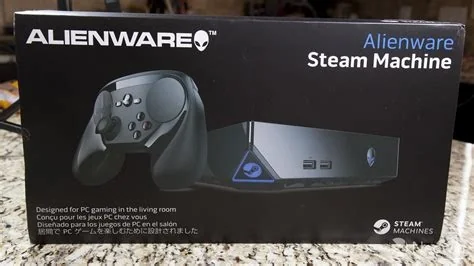
The Valve Steam Machine is a compact, cube‑shaped gaming PC that connects directly to a TV and delivers full‑PC performance in a console‑like form factor. Powered by a custom SteamOS, it supports 4K resolution at 60 fps, includes a quad‑core CPU, 8 GB RAM, a 512 GB NVMe SSD, and HDMI 2.1 for seamless TV integration.
What Is the Valve Steam Machine?
The Steam Machine is a small desktop‑style unit designed to sit beside a television. It runs Valve’s Linux‑based SteamOS, giving users access to the entire Steam library without requiring a separate Windows license.
Design and Hardware Specs
- Form factor: Cube‑shaped, comparable to a modern Wi‑Fi router
- CPU: Quad‑core processor
- GPU: Mid‑range graphics card capable of 4K/60 fps output
- Memory: 8 GB DDR4 RAM
- Storage: 512 GB NVMe SSD with optional USB‑C external expansion
- Connectivity: HDMI 2.1, USB‑C, Ethernet
Performance and Gaming Capabilities
With its dedicated GPU and fast SSD, the Steam Machine delivers smooth 4K gaming at 60 fps for most modern titles. The open PC architecture allows installation of non‑Steam games, mod tools, and even a Windows OS if users choose to switch environments.
Pricing and Availability
Valve positions the Steam Machine in the premium segment, targeting a price range that reflects its high‑end hardware while remaining competitive with current console offerings. The device will be sold directly through Valve’s online store and select retail partners, with a launch slated for the upcoming holiday season.
Integration with Valve’s Ecosystem
The Steam Machine complements existing Valve hardware such as the Steam Controller and Steam Deck. It provides a “couch‑ready” experience that bridges portable and living‑room gaming, all while keeping the Steam platform at its core.
Impact on Living‑Room Gaming
By delivering full PC performance in a console‑friendly package, the Steam Machine challenges traditional console dominance. Its flexibility appeals to hardcore PC gamers seeking modability and to casual players who value a plug‑and‑play setup.
Potential Challenges
- Developer support: Games must be optimized for SteamOS to ensure smooth performance.
- Pricing balance: The device must offer premium performance without exceeding the price expectations set by established consoles.
- Consumer perception: Overcoming legacy concerns from earlier Steam hardware generations will be essential.
Future Outlook
Valve’s renewed focus on a compact, TV‑ready PC signals a broader strategy to expand PC gaming beyond the desk. As pre‑orders open and developer support grows, the Steam Machine could redefine the living‑room gaming experience by merging the best of PC power with console convenience.